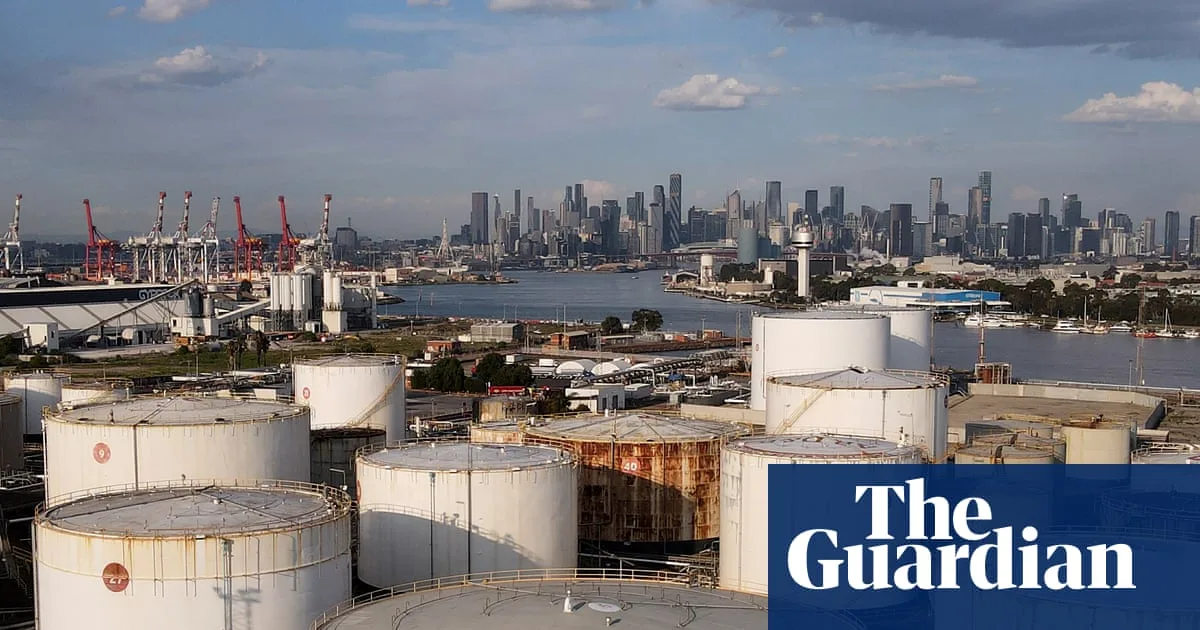
Australia Temporarily Lowers Diesel Standards Amid Fuel Supply Crisis
Australia Lowers Diesel Standards to Ease Fuel Shortage

Australia Temporarily Lowers Diesel Standards Amid Fuel Supply Crisis

The Australian federal government has announced a temporary reduction in diesel fuel standards in an urgent bid to bolster domestic supply, as hundreds of service stations across the country report running empty. Energy Minister Chris Bowen confirmed the move on Tuesday, stating it will allow access to imports from markets with slightly lower burning temperatures, including the United States, Canada, and Europe.

Technical Adjustments and Immediate Impact

This six-month adjustment lowers the flashpoint threshold for diesel from 61.5 degrees Celsius to 60.5 degrees Celsius. It follows a similar 60-day reduction in petrol standards, which is expected to inject an additional 100 million litres into the local market. However, the crisis is already acute, with Bowen revealing during question time that at least 164 service stations in New South Wales are completely out of diesel, and 289 are missing at least one type of fuel. In Queensland, 55 stations have no diesel and 35 lack regular unleaded, while Victoria reports 162 stations with fuel shortages, South Australia 46, and Western Australia six. Tasmania has one station without diesel and six without unleaded.

Asian Supply Chain Disruptions

Analysts warn that Australia faces severe import constraints, with only about three weeks of certain fuel supplies remaining as Asian producers scale back output. Tom Woodlock, a senior analyst at Argus Media, noted that at least two major refineries in Singapore and Taiwan, which supply Australia, have reduced production by over 10% since the outbreak of war, leading to six cancelled shipments so far. "There is a high chance more shipments will be cancelled in the coming weeks or months," Woodlock cautioned.

Wide Pickt banner — collaborative shopping lists app for Telegram, phone mockup with grocery list

Sushant Gupta, research director at Wood Mackenzie, highlighted that Asian fuel production could drop by a fifth or more in the coming weeks if refiners cannot access Middle Eastern oil. "Loss of supply is already happening now," Gupta said. "Many refiners will have to cut their runs by more than 20% or shut down in the next few weeks. Their refinery stocks will only last them for, say, 10 to 15 days." He urged Australia to seek alternative sources, such as the US and Europe, which involve longer-haul logistics requiring immediate planning.

Political and Economic Responses

The crisis has sparked political debate, with state premiers calling for stronger federal coordination. NSW Premier Chris Minns advocated for a nationally consistent approach, potentially including demand management measures like rationing or work-from-home initiatives. Queensland Deputy Premier Jarrod Bleijie attributed the issue to federal Labor, while Victorian Opposition Leader Jess Wilson proposed a cut to the federal fuel excise, a suggestion supported by crossbench MP Rebekha Sharkie but rejected by Treasurer Jim Chalmers.

Shadow Energy Minister Dan Tehan accused the government of creating confusion over petrol supplies and demanded better coordination of fuel distribution. Meanwhile, the NRMA reported a 15% increase in callouts for motorists running out of fuel in New South Wales this month, totalling about 306 incidents in March alone.

Market Dynamics and Future Outlook

Woodlock noted that Australian importers are turning to more expensive fuel from the US, leveraging the country's ability to outbid others for cargoes due to its capacity to pay premiums. This shift underscores the deepening supply challenges. As the government navigates this temporary fix, stakeholders emphasize the need for long-term strategies to mitigate future disruptions and ensure energy security.

Pickt after-article banner — collaborative shopping lists app with family illustration