
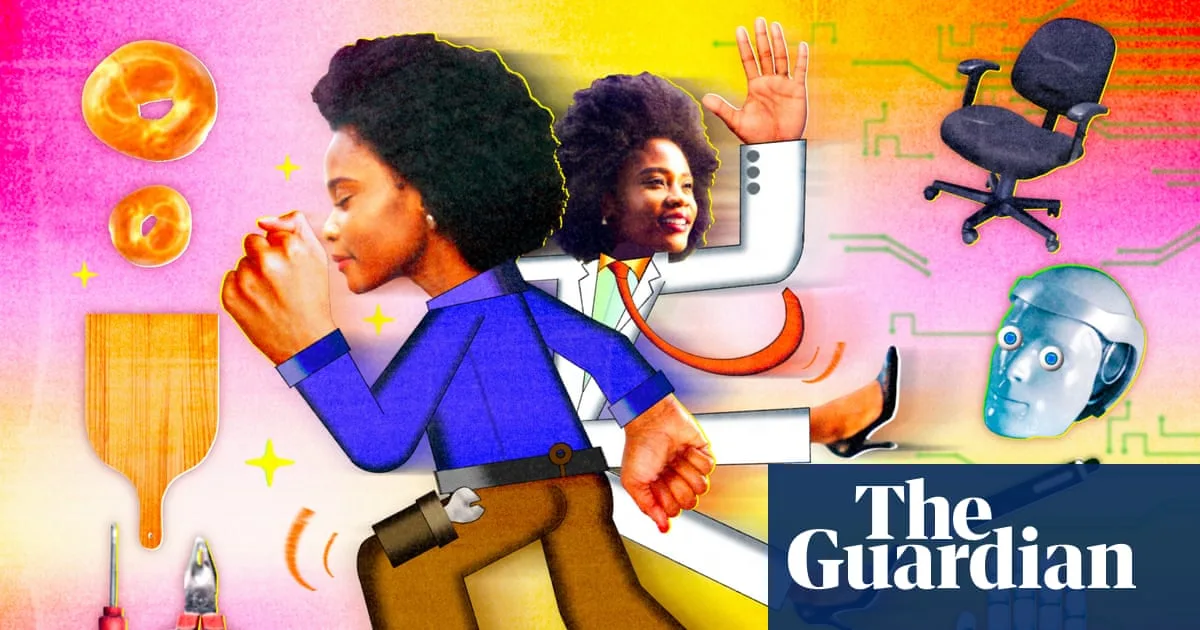
As artificial intelligence reshapes the professional landscape, a growing number of white-collar workers are abandoning their careers for traditional trades. Jacqueline Bowman, a 30-year-old former writer from California, is among those retraining after AI disrupted her field. Despite a lifelong passion for writing, she saw her income halve as clients turned to AI-generated content, forcing her to pivot to a new path.
Bowman, who studied journalism and worked as a freelance writer, faced a tipping point in 2024 when layoffs and publication closures dried up her work. Clients began discussing AI, with some telling her they no longer needed writers. She was offered editing roles for AI-produced articles, but the work took twice as long for half the pay, as she often had to rewrite fabricated content. By January 2025, she could no longer afford health insurance, prompting her to marry early and retrain as a therapist.
Bowman is now studying to become a marriage and family therapist, a field she believes will retain a human demand despite AI-powered therapy services. She acknowledges her privilege in having spousal support and some remaining writing income, but has taken out loans to fund her studies. 'I'm glad I have the opportunity,' she says, 'but it's not something I would have considered if my writing work hadn't become untenable.'
Similarly, Janet Feenstra, an academic editor turned baker in Malmö, Sweden, changed careers due to AI fears. She now works at a bakery, rolling dough by hand and enjoying a more joyful atmosphere. 'I have a lot more fun now,' she says, 'but I don't want to be grateful to AI for this – I'm still a little bit bitter.'




