Before Stu Goldberg begins his night shift driving for Uber, he pulls out a notebook to read a handwritten list of reminders. “No tickets. Full stops,” he'd scrawled. “Careful backing up. Watch for pedestrians and bikes.” With a PhD in neuropsychology and decades of experience running his own business, Goldberg, 74, did not expect to be chauffeuring strangers in retirement. But financially, things did not go as planned, so he now shuttles passengers through New York City at night.
Goldberg is one of a growing number of Americans who have “unretired” in recent years. After concluding decades-long careers, they have returned to the workforce due to insufficient retirement savings, rising living costs and a desire to stay active. Many are turning to gig work through apps or digital platforms, delivering people and parcels, caring for pets or folding laundry, because they can set their own hours.
“We’re living longer, so people are working longer because they have to fund those extra years,” said Carly Roszkowski, vice president of financial resilience at the non-profit AARP. “And this concept of retirement for most people as like a cliff or a day they’re working towards really isn’t a reality for most.” About 1 in 5 Americans over age 50 who are not retired say they have no retirement savings, according to a survey AARP conducted in January 2025.
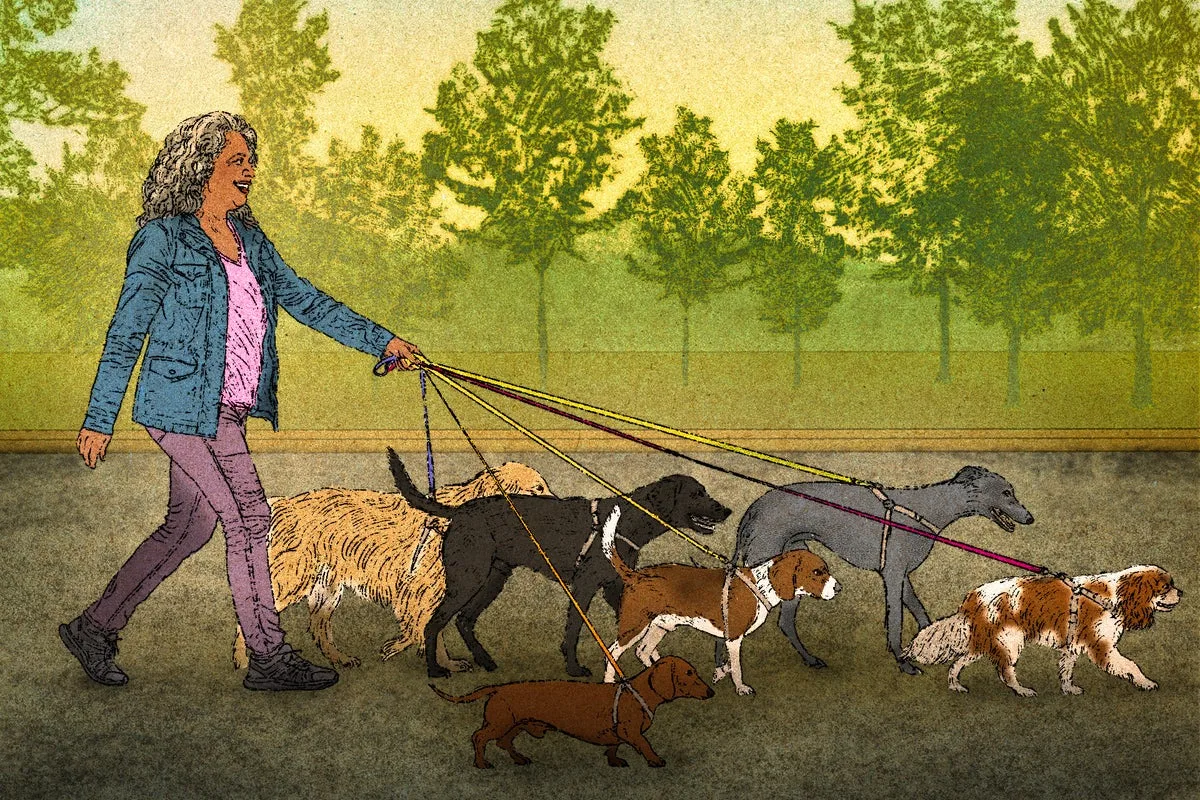
Barbara Baratta, 72, retired as a paediatric nurse in 2018 but got restless and signed up with the pet care app Rover, walking dogs and administering medications to cats. The work keeps her active. “I get my steps in and do hill climbing,” she said. However, she cautions that “some dogs are big and strong, which can be an issue, a lesson I learned very early on.”
Baruch Schwartz, 78, a former wedding photographer, now drives for Uber and Lyft and derives satisfaction from feeling needed. “I feel like I’m on a mission,” he said after taking a passenger home from a kidney dialysis appointment. Driving gives Goldberg a chance to meet a variety of people. “I'm amazed at what people will tell me about their relationships,” he said.
Retirees and employment experts note that gig work has downsides, including limited job protections and wages that may be insufficient to cover on-the-job expenses. Goldberg cautions that driving can be hard on the back and legs, and finding restrooms becomes difficult with age. Despite the challenges, many find the flexibility and social interaction rewarding.