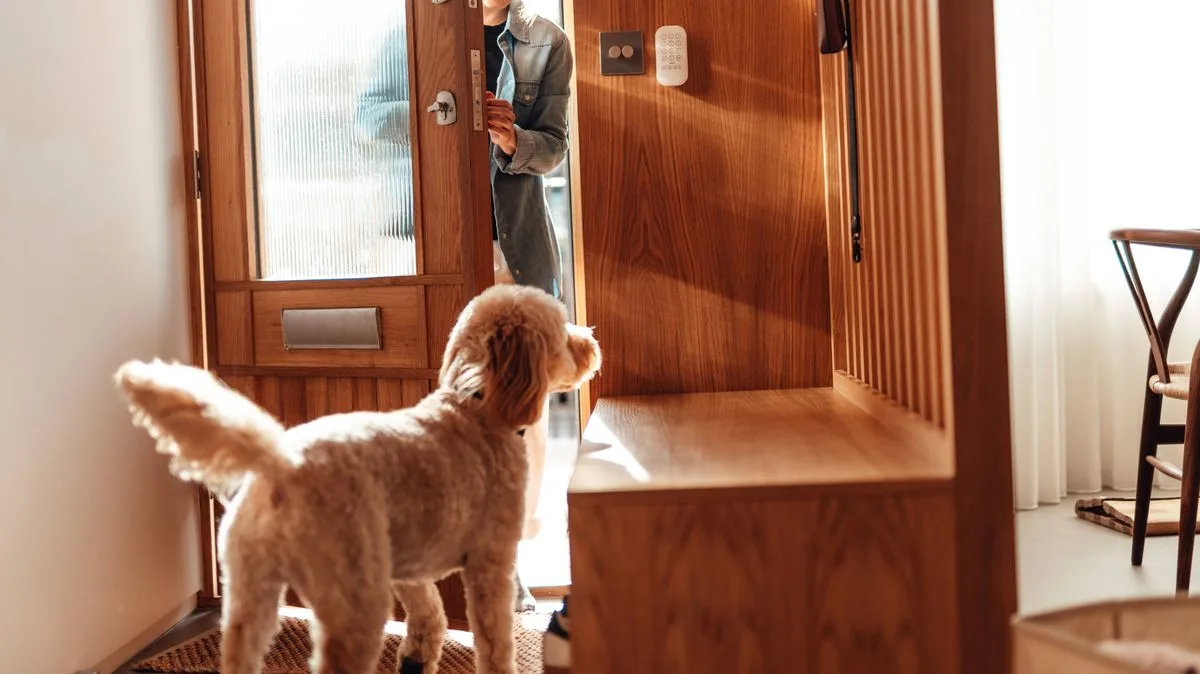
For most pet owners, there are times when animals have to be left at home alone - whether for a few minutes to pop out on a quick errand or for several hours to head to work. In the UK, there is no specific legal time limit on how long animals can be left unattended at home, leaving it entirely down to owners to know what is best for their pet's well-being and safety.
Legal obligations under the Animal Welfare Act 2006
Irresponsible owners risk trouble if they breach laws designed to protect their pets' welfare, including when cats or dogs are left unsupervised. Everyone who takes on a pet - from cats and dogs to fish, rabbits and lizards - is legally bound by the Animal Welfare Act (2006) to ensure pets have five basic necessities - even when you're not present.
The law states that pet owners have a legal duty to ensure their animal has:
- A suitable environment
- A suitable diet (including constant access to fresh water)
- The ability to exhibit normal behaviour patterns
- The right to be housed with, or apart from, other animals
- Protection from pain, suffering, injury, and disease
Should leaving an animal alone cause it to suffer, either physically or mentally, you could be found in violation of the law. For instance, if a pet is left for so long that it becomes distressed or is forced to hold its bladder to the point of discomfort or infection, you are technically failing to fulfil these requirements.
How long can pets usually be left alone?
While the law itself remains vague, the courts and animal welfare organisations hold a general view on how long might be considered neglect. These guidelines are general, and pet owners should always consider their own animal's circumstances.
Adult dogs - up to four hours
Dogs are social animals, and any longer periods often lead to separation anxiety or toilet accidents.
Puppies - between an hour and two
Depending on age, puppies under 10 weeks should barely be left at all.
Cats - up to 24 hours
Cats are more independent but still require daily checks for food, water, and safety.
Small pets - varies
Rabbits and guinea pigs need daily interaction and fresh hay/water checks.
Should a concerned neighbour report you and an animal is found in a distressed state, resulting in health complications, the punishment for pet owners can be severe. In certain circumstances, an inspector may issue a formal warning requiring you to change your behaviour.
Should the issues persist or the situation be a case of 'serious neglect', this can result in unlimited fines or a prison sentence of up to five years. People could also face a lifetime ban from keeping animals.
How to stay within the law
Provided your pet is content, healthy, and not causing a nuisance to neighbours, you are unlikely to face any legal difficulties. However, if your pet is distressed, the clock doesn't matter, and you could risk a visit from the authorities.
For many people, daily life can make it impossible to return home and attend to their dog during working hours. There are several helpful tips to help break up their 'alone time', which should keep your pet content and your home free from damage.
If you're out for the majority of the day, arranging for someone you trust to pop in and check on your dog halfway through could make a real difference. Consider enlisting the help of a neighbour, friend or family member – or hiring a professional dog walker to provide companionship and stimulation.
For both cats and dogs, creating a "suitable environment" from the outset can also help, incorporating mental stimulation (such as puzzle toys) to prevent the 'suffering' associated with extreme boredom.
Many owners now rely on pet cameras. If you notice your animal is distressed, you are legally obliged to take action, from going home yourself or having someone else go on your behalf.