

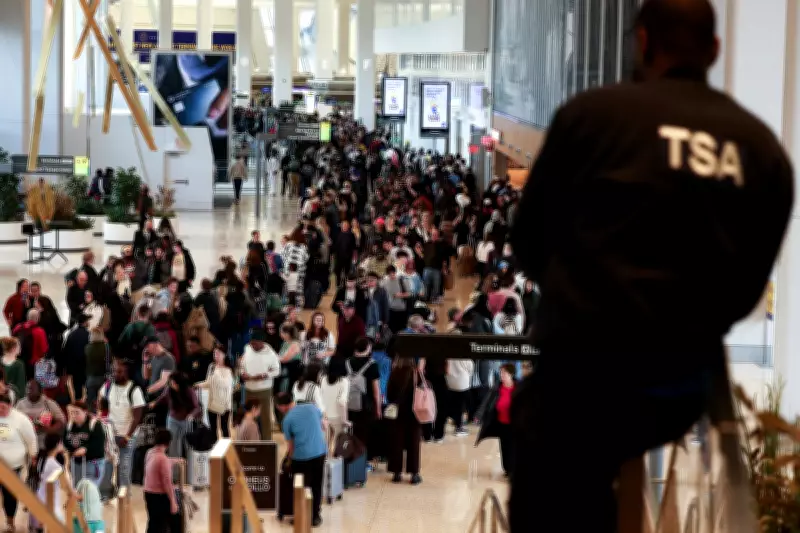
TSA Agents Forced to Donate Blood and Sleep in Cars as DHS Shutdown Drags On
Transportation Security Administration officers are facing dire financial hardships, with some resorting to selling their blood and plasma for money, as the Department of Homeland Security shutdown extends into its 40th day. The agency's acting administrator, Ha Nguyen McNeill, revealed these distressing details during a House Homeland Security Committee hearing on Wednesday, March 25, 2026.
Financial Desperation Among Federal Workers
McNeill outlined the severe impacts on TSA personnel, stating that many have missed bill payments, received eviction notices, had cars repossessed, and utilities shut off. She added, "Lost their childcare, defaulted on loans, damaged their credit line and drained their retirement savings. Some are sleeping in their cars, selling their blood and plasma and taking on second jobs to make ends meet." This is occurring while agents are expected to maintain high performance levels to protect travelers.
Approximately 50,000 transportation security officers are working without pay for the third time in the last fiscal year, as senators debate a funding deal for DHS that includes accountability measures for immigration enforcement. Until a resolution is reached, agents are forced to rely on food pantries, take on additional employment, or deplete retirement accounts.

Personal Stories of Struggle
Taylor Desert, a TSA officer at Indiana International Airport, shared with the Associated Press that she never anticipated needing a food bank to supplement groceries. Having last been paid on February 14, Desert is taking extreme measures to avoid exhausting her savings just to afford basic living expenses.
LaShanda Palmer, a 24-year TSA veteran, told NBC Philadelphia that colleagues have called out of work due to inability to afford gas or childcare. "Some people can't make it over the bridge," Palmer explained, highlighting the logistical challenges faced by workers.
Staffing Shortages and Operational Impacts
The financial strain has led to significant staffing issues, with many TSA officers calling out and approximately 480 resigning since the shutdown began. This has resulted in severe staffing shortages at major airports nationwide, causing security lines to stretch for hours and frustrating travelers.
In response, President Donald Trump has deployed Immigration and Customs Enforcement officers to assist at airports, where they have been handing out water and holding spots in lines. Trump also suggested potentially deploying National Guard members to alleviate congestion, though their specific role remains unclear given the underlying staffing crisis.
Families and Long-Term Consequences
Married TSA agents Oksana and Deron Kelly described to the Associated Press how they have dipped into savings to support their two young children. Deron has taken on DoorDash delivery work in his spare time but is considering more stable employment options due to the uncertainty.
The ongoing shutdown not only threatens the immediate well-being of TSA agents but also risks long-term damage to airport security infrastructure and public trust, as dedicated professionals struggle to sustain themselves amidst political gridlock.






