New Jersey Hindu Temple Workers Allege Abuse and Silicosis Deaths
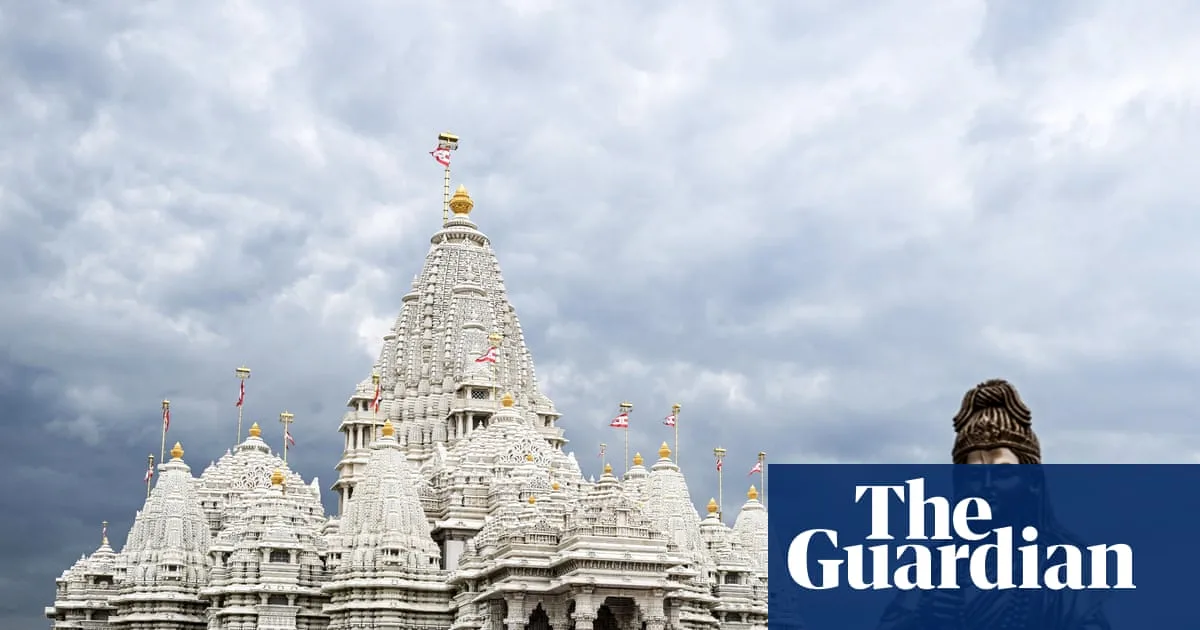
In the suburban town of Robbinsville, New Jersey, stands the BAPS Swaminarayan Akshardham, the largest modern Hindu temple outside India. This architectural marvel, spanning 185 acres, features hand-carved stone from Rajasthan and has captivated social media with its intricate designs, representing millions of hours of labor. However, beneath its breathtaking beauty lies a troubling narrative of alleged worker exploitation, visa fraud, and medical neglect during its construction from 2015 to 2023.
Allegations of Worker Abuse and Health Hazards
Workers claim that at least two laborers, Ramesh Meena and Devi Lal, died from silicosis, an irreversible lung disease caused by inhaling fine silica dust produced during stone carving. Court documents and labor advocates report that Lal died while awaiting a lung transplant, and others have been diagnosed with respiratory illnesses like tuberculosis and chronic bronchitis. Symptoms of silicosis include shortness of breath, persistent cough, chest pain, and fatigue, often leading to severe disability and premature death.
A former temple worker, who developed tuberculosis, described the condition as agonizing, stating, "A person would prefer committing suicide rather than dying from silicosis because it's such a painful death." Workers spoke anonymously to protect themselves and their families from retaliation.
Working Conditions and Caste Discrimination
Two hundred Dalit workers, from India's lowest caste, were brought from Rajasthan to New Jersey. Historically marginalized, Dalits often face dangerous, low-paid labor and are reportedly barred from worshipping in these temples due to their caste. Workers allege they labored 90 hours weekly for as low as $1.20 per hour, had passports confiscated, and were restricted from contacting families for extended periods.
One worker recounted, "I saw my kids growing up on the phone," explaining he hadn't seen his family for seven years. His roommate died by suicide after returning to India, with family attributing it to depression and harsh working conditions.
Safety Neglect and Medical Issues
Workers say they were not provided proper personal protective equipment (PPE), such as N95 masks required by OSHA to prevent silicosis, instead receiving surgical or cloth masks. Some developed silicosis after being medically cleared pre-hire, and were sent back to India upon showing symptoms like fever or breathing problems.
A worker with silicosis recalled, "They didn't give us a single day off, no matter how much it snowed. They even made us work in the snow." Workers also faced barriers in seeking medical care, with limited English proficiency and discouragement from using outside networks.
Temple's Response and Legal Context
BAPS denies the allegations, citing a ministerial exception under the First Amendment to avoid court interference in religious employment. Darshan Patel, a volunteer and media representative, stated, "The health and safety of the volunteers was a priority," emphasizing the spiritual aspect of Seva, or selfless giving in Hinduism. He noted that workers received government-inspected housing, meals, flights, medical care, and other benefits.
However, workers argue that religious volunteering was used to obtain R-1 visas for labor purposes. In 2021, federal agents removed 90 workers amid forced labor allegations, though the Department of Justice closed a criminal investigation in September without charges. A civil case is now set to resume.
Broader Implications and Worker Advocacy
Experts link the exploitation to historical patterns in India, with human rights attorney Gunjan Singh calling it "modern slavery." Silicosis remains a widespread issue among lower castes in India, prompting Supreme Court petitions to address labor rights. Workers seek backpay and compensation for harm, with some advocating for a ban on R-1 visas to prevent future abuse.
As one worker poignantly noted, "People appreciate the art but they don't know the blood." The case highlights ongoing challenges in labor rights and caste discrimination within global religious projects.