

Two quotes from a recent article on schools and youth unemployment resonated deeply with readers, sparking a debate on the shortcomings of the education system and job support services.
A Joyless Education System
David Selby, a former teacher and volunteer with youth schemes, commented on the article Schools are ‘pipeline’ to joblessness for many people, says ex-Labour adviser. He was not surprised by the quotes describing a “joyless education system that focused too heavily on passing exams” and “the level of vitriol and hatred these young people used when talking about schools.” Selby recalled his work on the Youth Opportunities Programme and Youth Training Scheme, and later as a volunteer for the Youth Offending Scheme for over 20 years.
He noted that even in secondary modern schools, where most children took no exams, the situation was bad enough. In comprehensives and academies, he observed that schools prioritise exam results to showcase their success, leaving many students with little to show for nearly a decade of schooling. As an adviser, Selby often shadowed a pupil for a day and found himself prepared to misbehave due to the lack of meaningful engagement. “Lecture after lecture with little attempt to involve students in a meaningful way. It was just like being at university,” he wrote.

Selby suggested that teacher training should abandon traditional notes and adopt a more interactive approach that teachers could replicate, better suiting the students highlighted in the report. He shared a personal example: in his first teaching job at a secondary modern school, the headteacher asked him to run a building construction course. Despite the option for students to leave at Christmas and Easter, all of them stayed until the summer. “It was interactive, but it would have been a lot better if I had been trained to work that way,” he added.
Youth Unemployment in Affluent Areas
Mara Musso from London shared her family’s experience with youth unemployment, even in relatively affluent north London. Her son easily found a weekend job at Greggs while at college in 2023, aged 17. However, after leaving college, it took several months for him to secure a job in hospitality. Musso was heavily involved in supporting him and believes he would not have succeeded without encouragement, motivation, and practical help.
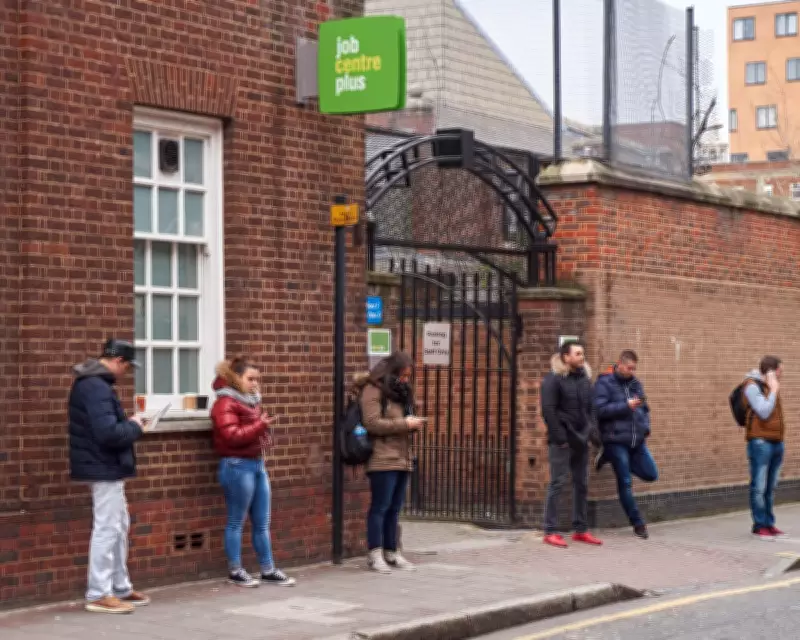
Musso, who moved to the UK from Italy in the late 1980s, recalled that finding work was straightforward back then. “You could walk into a jobcentre and often leave with a job the same day. Employment was accessible enough to support young people while studying or starting out in life,” she wrote. But when she and her son visited a local jobcentre expecting to find employment opportunities, they found hardly any jobs advertised. “The focus appeared to be largely on benefits and support services. I found this genuinely shocking,” she said.
Having seen the situation first-hand, Musso now better understands why youth unemployment is rising. “I feel sorry for young people. There is clearly far more that the government and public services could do to support young people into work. Failing to do so not only lets down a generation, but also harms the economy and society,” she concluded.
These letters underscore a growing concern that the education system and jobcentres are failing to prepare young people for the workforce, a problem that demands urgent attention from policymakers.






