

Keyboard Jamming: The Covert Tactic to Fake Productivity While Working from Home
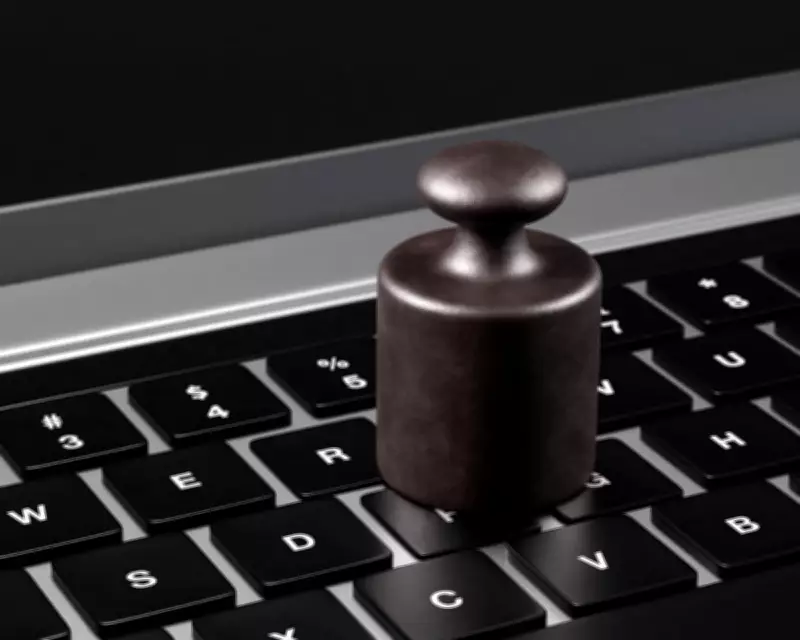
In the era of remote work, a new scam has emerged that allows employees to appear active while actually slacking off. Known as "keyboard jamming," this method involves placing a heavy object, such as a stapler, on a keyboard to simulate typing and avoid being flagged as inactive on platforms like Microsoft Teams. However, employers are increasingly fighting back with sophisticated monitoring tools that track actual work output rather than mere activity.
The Rise of Keyboard Jamming and Its Historical Echoes
While the desire to avoid work is not new—philosophers like Diogenes the Cynic famously rejected ambition—keyboard jamming represents a modern twist on workshy behavior. The pandemic popularized working from home, but it also led to heightened employer surveillance. Employees have exploited simple tricks to bypass inactivity alerts, but these tactics are now under scrutiny as companies invest in technology to monitor genuine productivity.
High-Profile Cases in Law Enforcement
Not even police forces are immune to this trend. Former PC Liam Reakes of Avon and Somerset police resigned after it was discovered he had weighed down the Z key for 103 hours between June and September 2024. Similarly, ex-detective Niall Thubron from Durham police pressed the I key over 16,000 times in a single day in December 2024, resigning before facing dismissal. According to a Times investigation using freedom of information requests, at least 50 police officers and civilian staff have been dismissed or forced to resign in the past three years for faking keyboard activity, with Greater Manchester police alone identifying 28 offenders.

Employer Countermeasures and the Shift Back to Office Work
In response, employers are deploying advanced software that goes beyond tracking keystrokes to assess real work contributions. Some organizations, like Manchester police under Chief Constable Stephen Watson, have banned working from home entirely while investigations are ongoing. This crackdown highlights a growing tension between remote work flexibility and accountability.
The "Soft Off Day" Trend and AI Alternatives
Beyond keyboard jamming, influencers on platforms like TikTok promote the "soft off day" trend, where employees use AI apps to automate tasks like meeting notes and email drafting while engaging in personal activities. This raises questions about the ethics of remote work and the balance between employee autonomy and employer oversight.
Do say: "Sorry, the laptop camera’s not working."
Don’t say: "iiiiiiiiiiiiiiiiiiiiiiiiiiiiiiiiiiiiiiiiiiiiiiiiiiiiiiiiiiiiiiiiiiiiiiiiiiiiiiiiiiii"






