

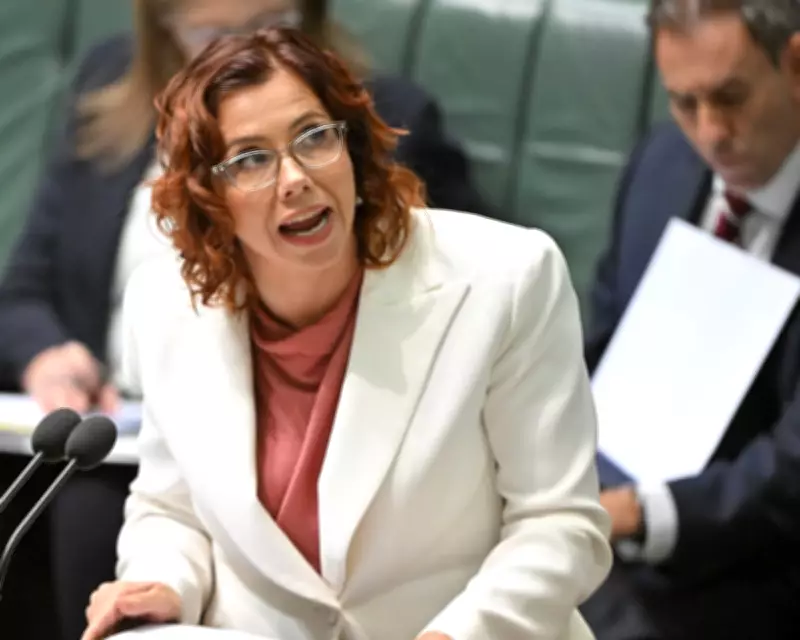
Employment minister Amanda Rishworth has signalled an end to jobseekers being forced to submit 'endless' applications for roles they may not be qualified for, with mutual obligations to be tailored to each welfare recipient. The overhaul of the employment services system was outlined in her address to the National Press Club on Wednesday, where she criticised the current 'one size fits all' model as insufficient.
Three-Stream Model Announced
The new system will split jobseekers into three streams based on their skills and work readiness. At the lower level, a digital service with individualised resources will help those who are work-ready but need job search assistance. A targeted provider-led stream will assist people in building skills and confidence. For those with complex requirements, more intensive services with greater time, flexibility, and support will be provided.
Rishworth noted that unemployed people were 'languishing' due to insufficient help, partly because the current system incentivises providers to focus on easier-to-place individuals. She highlighted that one in five participants in the Workforce Australia program (around 140,000 people) had been in the system for five years or more, a figure that is worsening.

Criticism of Privatised Model
Despite the changes, the privatised employment services model will continue, drawing criticism from the Greens and welfare advocates. Greens senator Penny Allman-Payne called the reforms 'a screw-up', arguing that Labor's own 2023 inquiry concluded privatisation had failed. She also criticised the government for not reforming the system that unlawfully terminated welfare payments, as found by a 2025 Ombudsman report.
Welfare advocates, including the Australian Council of Social Services (Acoss) and Economic Justice Australia, welcomed changes to mutual obligations but called for the privatised model to be abolished entirely. The Community and Public Sector Union national secretary Melissa Donnelly expressed disappointment that the overhaul did not go further, stating that jobseekers are 'sick of being lectured by flashy entrepreneurs who are milking the government for millions'.
Mutual Obligations to Be 'Meaningful'
Rishworth emphasised that mutual obligations must be 'meaningful' and differ based on individual circumstances. For those close to the labour market, job applications in their interest areas are appropriate, but for those far from work, endless applications are pointless. She cited Inclusive Employment Australia as an example where compliance action is a last resort.
Opposition employment spokesperson Jane Hume backed the three-stream model but expressed concern about winding back mutual obligations. The exact details of the new system will be developed over the next year through consultation with employers, jobseekers, and providers.






