

Investors Pressure UK Supermarkets to Reinstate Real Living Wage for Staff
Major UK supermarkets are confronting renewed investor pressure to restore employee pay to the real living wage, a voluntary benchmark that reflects the true cost of living across the country. The campaign is spearheaded by the investor activist group ShareAction, which is urging leading grocery chains to commit to paying this higher wage standard.
Current Pay Landscape in the Supermarket Sector
The real living wage is currently set at £13.45 per hour nationally and £14.80 per hour in London, figures that are recalculated annually based on living costs. Despite offering rates above the mandatory national minimum wage, several prominent supermarkets have fallen out of alignment with this voluntary benchmark.
Key players include:

- Marks & Spencer
- The Co-operative Group
- Tesco
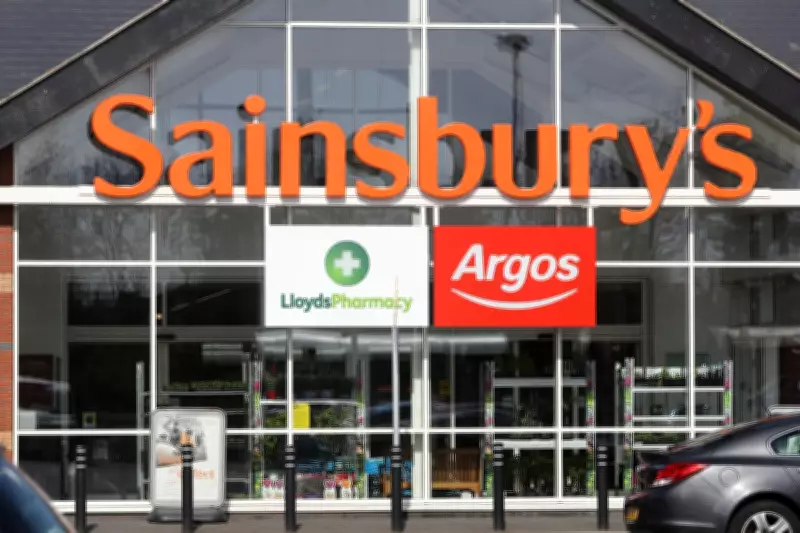
- Sainsbury's
These retailers no longer pay their staff in accordance with the real living wage, creating a significant pay gap for thousands of workers. In contrast, discount chains Aldi and Lidl stand out as the only major supermarkets that currently pay entry-level staff the real living wage across their entire UK operations.
Regional Variations and Corporate Commitments
The John Lewis Partnership, which operates Waitrose supermarkets, only matches the real living wage for employees working within the M25 motorway encircling London. This regional limitation highlights the uneven application of wage standards across the sector, with many workers outside the capital missing out on the higher pay rate.
ShareAction plans to make pay commitments a central focus at upcoming annual general meetings of these supermarket chains. The activist group argues that better pay offers proven business benefits, including improved staff retention, higher productivity, and enhanced customer service, despite the ongoing cost pressures facing the retail sector.
The Broader Implications for Retail Workers
The campaign comes at a time when many UK households are grappling with the ongoing cost of living crisis, making fair wages more critical than ever for frontline retail employees. ShareAction's push represents a growing trend of investor activism focused on social issues, with shareholders increasingly using their influence to advocate for better worker treatment and corporate responsibility.
As the debate unfolds, the outcome could set important precedents for wage standards across the entire retail industry, potentially influencing pay practices beyond the supermarket sector alone.






