

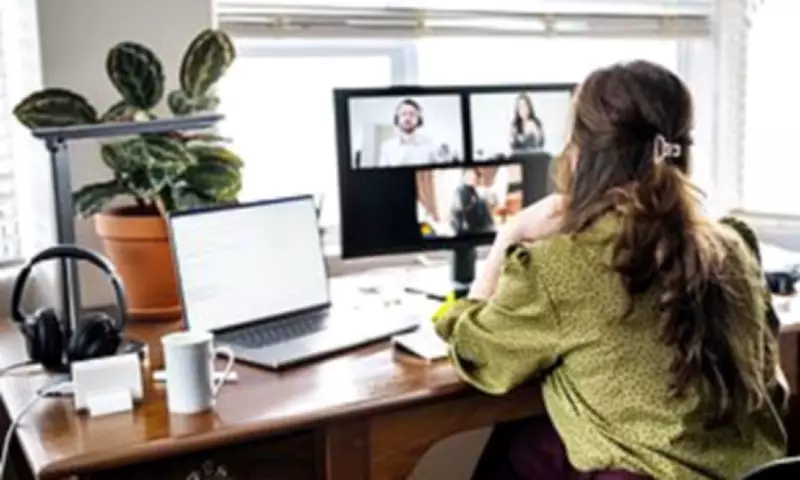
New research has uncovered a significant generational divide in attitudes towards remote work, with Britain's youngest employees feeling particularly isolated and demanding innovative digital solutions from their employers.
The Loneliness of the Young Remote Worker
A comprehensive study of 2,000 UK workers has revealed that Generation Z employees, those aged between 18 and 30, feel overwhelmingly left behind by post-pandemic hybrid working practices that older colleagues have embraced. The research, conducted for AI learning platform Thrive, paints a picture of a disconnected younger workforce struggling with the social implications of working from home.
Stark Statistics Highlight Disconnection
The data reveals concerning levels of isolation among young workers. Some 44 percent of Gen Z employees fear they miss out on crucial office gossip and informal networking opportunities when working remotely. More strikingly, 67 percent report feeling fundamentally disconnected from their peers due to working from home arrangements.

This sense of isolation has prompted Gen Z staff to demand that employers take concrete action to compensate for lost social engagements. They are advocating for dedicated time during the workday specifically for mandated social interactions through digital platforms.
Virtual Solutions Gain Traction
More than half (55 percent) of Gen Z workers believe staff who work from home would benefit significantly from structured digital interactions over platforms like Zoom. This contrasts sharply with older generations who largely dismiss such initiatives as unnecessary.
The research identifies a rising trend across the UK for these digital alternatives to traditional office socialising, including:
- Virtual coffee breaks
- Zoom gossip sessions
- Work chat channels dedicated to non-work topics
- 'Body-doubling' practices where colleagues work alongside each other virtually
A Generational Clash Over Office Return
Perhaps most surprisingly, the vast majority (78 percent) of Gen Z staff would favour either a full or part-time return to the physical office. This preference creates a direct conflict with older generations who have grown accustomed to hybrid arrangements.
Older Workers Resist Office Return
Staff for whom daily commuting was the norm before the pandemic show strong resistance to returning to pre-Covid working patterns. Baby Boomers, workers aged 62 to 80, are the most opposed, with 74 percent against a full-time office return.
The resistance continues through older generations:
- 62 percent of Gen X workers (aged 45 to 61) oppose returning to the office
- 55 percent of Millennials (aged 31 to 44) are against reverting to pre-pandemic working practices
Digital Alternatives Find Favour With Youth
Facing this generational resistance to office returns, Gen Z employees are advocating for digital alternatives. More than half (55 percent) think favourably of digital substitutes for traditional social engagements.
The benefits appear tangible for those who have experienced such initiatives. Around 22 percent of Gen Z workers who already have work-from-home social engagements in place report it makes a positive difference to their daily experience. Meanwhile, a third (33 percent) of those without such arrangements wish they did.
Older Generations Dismiss Virtual Socialising
In stark contrast to their younger colleagues, older workers largely view virtual socialising initiatives as unnecessary or wasteful. Three-quarters of Baby Boomers (76 percent) see no need for such digital engagements, while around six in ten Gen X (57 percent) and Millennial (59 percent) workers share this scepticism.
Technological Solutions Emerge
The research was conducted as Thrive rolls out its new Thrive Hub platform to clients including household names like Vodafone, Burger King and ASOS. The company's pioneering Learning Management System introduces a personalised launchpad that connects every work system, application and workflow for staff members.
Among its innovative features is Spaces, a new social community engine designed to help colleagues of all ages stay connected with peers and feel more integrated within their teams.

Thrive's Growth and Mission
Thrive, recently named by the Financial Times as one of Europe's Fastest Growing Companies, has experienced remarkable expansion. The company saw a five-fold increase in revenue to £10 million in 2024, accompanied by a three-fold increase in staff numbers.
Thrive co-CEO Cassie Gasson commented on the research findings: 'This latest research highlights something we have long observed at Thrive – and reinforces our mission to reinvent the modern employee experience ready for future generations entering our workforce.'
Gasson elaborated on the pandemic's unequal impact: 'The pandemic fundamentally changed the world – for the vast majority it was positive. But the impact on the youngest generation of workers was perhaps forgotten in our haste to Zoom from the comfort of our homes.'
She noted that 'Many older workers take for granted the work-life balance afforded by a hybrid setup – perhaps not appreciating the value they took from interpersonal relationships in the office.'
'We are social creatures,' Gasson emphasised, 'and the value of an afterwork pint or a gossipy coffee is something that builds relationships, strengthens bonds and grows networks. That's why we've developed our new Hub and Social Spaces to make every business and every employee feel connected, practice community and culture and have more belonging within their team and organisation.'





