

Fuel Theft Surges as Diesel Prices Hit Record Highs in Australia
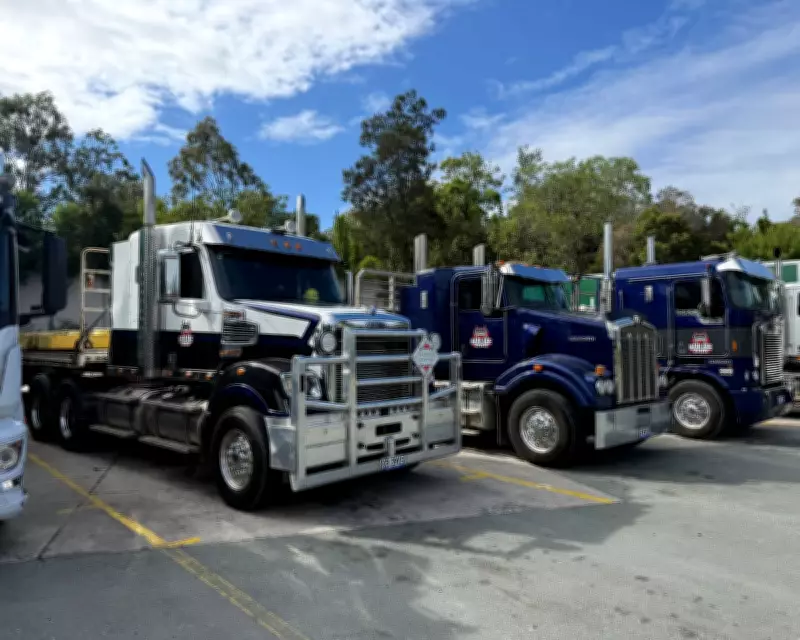
Madilyn Lostroh, a seasoned trucking industry professional, was taken aback when she discovered her company, Mal's Haulage, had been targeted by fuel thieves. The incident occurred after one of her drivers reported that his diesel tank had been partially emptied overnight, marking the first such theft in her nearly decade-long career.
"It's a bit of a reality check on just how dire the situation is, or desperate people are at the minute," said Lostroh, 35, who co-runs the business with her husband in Ipswich, Queensland. She noted that the theft required specific knowledge of their shared yard, adding to her concerns about security.
Anecdotal Evidence Points to Growing Crisis
Lostroh is among several individuals reporting a rise in fuel-related crimes, including siphoning from vehicles and drive-offs from service stations. This trend coincides with an energy shock driven by the war in the Middle East, which has sent retail prices for diesel and petrol soaring across Australia.

On Wednesday, average unleaded prices increased in some cities for the first time since late March, despite a temporary reprieve from the federal government's fuel excise cut. Diesel wholesale prices jumped 20 cents to a record 320 cents per litre, with retail prices averaging around 319 cents nationwide, according to Australian Institute of Petroleum data.
Alex Randall, operations coordinator at heavy haulage coordinator Loadshift, confirmed receiving similar reports. "When diesel's over $3 a litre, and servos are rationing or running dry, fuel becomes something worth stealing," he said, highlighting that drivers now must plan routes based on fuel availability and worry about overnight theft.
Police Data Remains Unclear and Inconsistent
Despite widespread anecdotal evidence, police data on fuel theft shows a mixed picture across Australian states. Queensland police reported no meaningful change in thefts from January to March compared to last year, though detectives are investigating recent incidents in the Cairns region.
In Victoria, police noted an increase in fuel drive-offs but attributed it to new online reporting systems, making it unclear if actual offending has risen. New South Wales police found no obvious increase in fuel theft since January.
The Australian Capital Territory saw a moderate rise in service station drive-offs, with 67 incidents in March compared to 51 in February. Tasmania reported an uptick in drive-offs, from three in early February to 24 last week, though siphoning data is not easily captured. South Australia recorded a slight decrease in alleged fuel theft offences, while Western Australia and the Northern Territory did not provide specific data.
Lostroh chose not to report her incident, viewing it as a one-off, but expressed sympathy for those struggling financially. "Some people may not be able to put food on the table as well as they could before," she said, citing pressures from the Reserve Bank and broader economic challenges.
As fuel prices continue to climb, the trucking industry and authorities remain vigilant, with ongoing discussions between police and retailers on prevention strategies to combat this growing issue.






