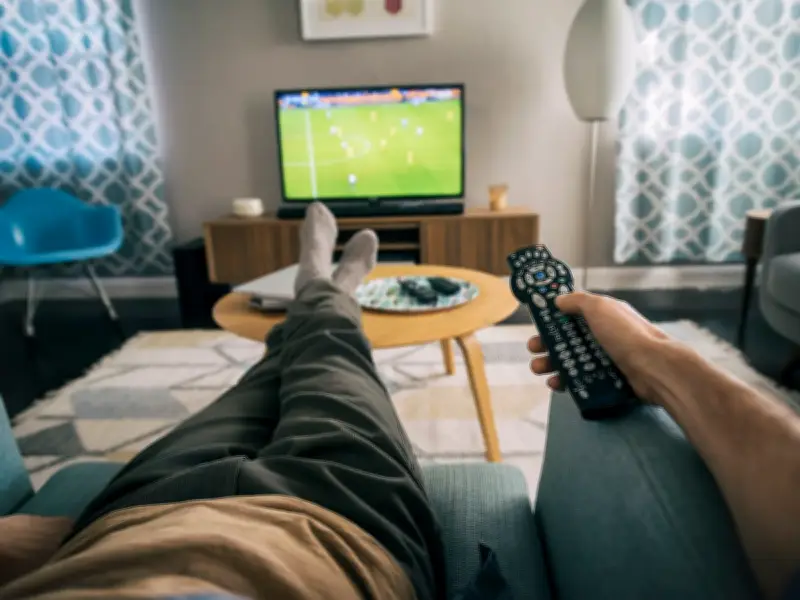
Certain groups of people are exempt from paying the £180 TV licence fee, potentially saving them the full annual cost. The TV licence, introduced in 1946 when the BBC was Britain's only broadcaster, originally cost £2 (around £105 today). Despite the rise of multiple channels, streaming platforms, and catch-up services, the yearly charge remains mandatory for most households. A standard UK TV licence currently costs £180 per year following a price increase in April.
Even if you never watch BBC channels, you generally still need a licence to watch or record live programmes on any television channel, or to watch live programmes on internet TV services such as Channel 4, YouTube, or Amazon Prime Video. It is also required to download or watch any BBC content on BBC iPlayer. However, certain individuals are either fully exempt or can apply for a reduction.
People Aged 75 or Above
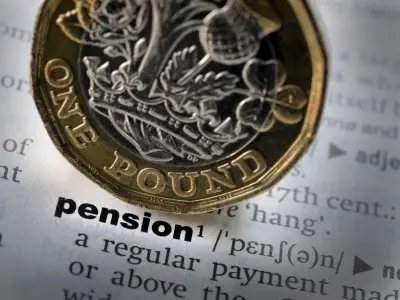
The Government website explains that you can get a free TV licence if you are 75 or older and either receive Pension Credit or live with a partner who receives Pension Credit. You can apply when you are 74 if you already receive Pension Credit, though you must still pay for your licence until the end of the month before your 75th birthday. After that, your free licence takes effect. Applications can be made online or by telephone on 0300 790 6071.

People Living in Care Homes or Sheltered Accommodation
If you reside in a residential care home, supported housing, or sheltered accommodation, you may qualify for a reduced TV licence costing £7.50. To be eligible, you must also be either retired and over 60, or disabled. Your housing manager can confirm eligibility and submit the application on your behalf.
Blind People
If you are registered as blind or severely sight impaired, or share your home with someone who is, you can obtain a 50 per cent reduction on the licence fee. The licence must be registered in the blind person's name; if it is not, a new application can be submitted to transfer it. You will need to provide your current TV licence number when applying online.
Other Circumstances Where You Don't Need to Pay
You do not need a TV licence if you only watch streaming services like Netflix and Disney Plus (for non-live shows), on-demand TV through services like All 4 and Amazon Prime Video (for non-live shows), videos on websites like YouTube (for non-live shows), or videos or DVDs. Additionally, students living away from home during term time do not need an extra licence if their main address already has one, provided the device used at university is battery-powered, not plugged in, and not connected to an aerial. In shared homes with a joint tenancy or communal viewing areas, a single TV licence covers the entire household.