

Birmingham Bin Strike: A Year of Waste and Stalemate Explained
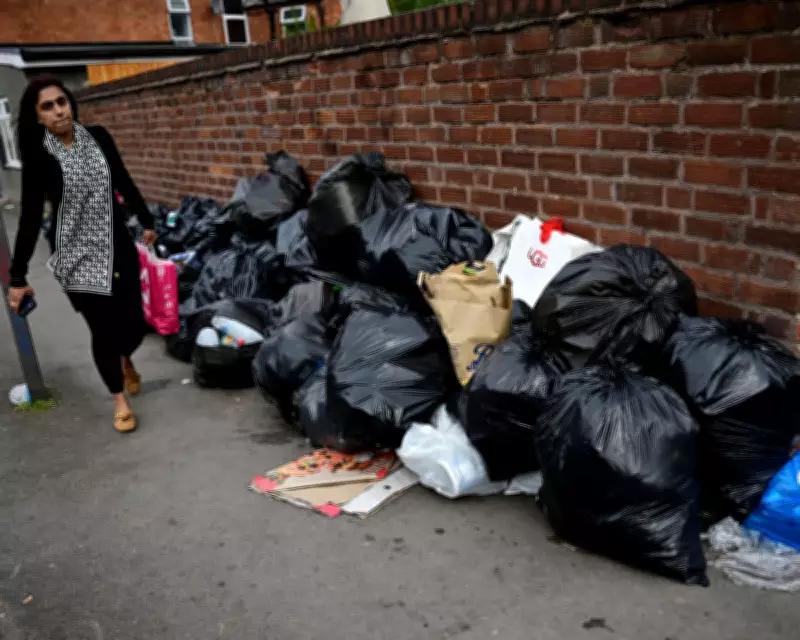
For more than a year, Birmingham has been grappling with a crippling bin workers' strike that has left residents without a fully functioning waste collection service, and there is still no resolution in sight. This all-out industrial action, initiated by the Unite union in early January 2025, has drawn global attention as images of overflowing bins and towering waste piles plague the streets of the UK's second-largest city. As the dispute enters its second year, becoming one of the longest-running in modern times, the situation remains deadlocked, with severe consequences for the community.
Why Did the Birmingham Bin Workers Go on Strike?
The strike began over proposed pay cuts and role changes, specifically the scrapping of the Waste Recycling and Collection Office role. Unite argued that this move would jeopardise worker safety and result in some members losing up to £8,000 annually, a claim contested by the council. Birmingham City Council countered that the role was not standard in other regions and raised concerns about potential equal pay claims, citing past multi-million-pound settlements. The conflict escalated in March 2025 to an indefinite all-out strike, deepening the impasse.
Why Have Negotiations Between the Council and Union Broken Down?
Talks between the council and Unite collapsed in July 2025 after summer negotiations. The council stated it had "reached the absolute limit of what we can offer," fearing further equal pay claims if demands were met. Unite, however, blamed government-appointed commissioners—brought in following the council's 2023 bankruptcy declaration—for blocking a potential agreement. Since then, discussions have stalled. Majid Mahmood, the council's cabinet member for environment and transport, apologised for the disruption but noted that "our door remains open" to talks, accusing Unite of rejecting all offers. In a recent development, Unite announced it would reduce ties with the Labour party, adding a political dimension to the dispute.

What Impact Have the Strikes Had on Residents?
Residents have endured over a year without full refuse services, including recycling collections. In May 2025, the council declared a major incident due to public health risks from approximately 17,000 tonnes of street waste. Reports highlighted disparities, with affluent areas receiving waste removal while others faced mountains of bin bags. The strikes have led to rat infestations, maggot outbreaks, and long queues at waste collection points, severely affecting daily life and urban hygiene.
Is Rubbish Getting Cleared?
The council insists that contingency plans ensure weekly waste collections for all households, and the high court has granted injunctions against those obstructing depots. However, in December 2025, agency workers joined picket lines over bullying and harassment claims, complicating cleanup efforts and highlighting ongoing tensions within the workforce.
When Will the Strike End?
Unite has threatened that industrial action could persist until at least September 2026 unless a deal is reached. The upcoming local elections in May 2026, where all 101 council seats are contested, may end Labour's control of the authority. A new administration could prioritise resolving the dispute to demonstrate responsibility and restore public trust, potentially breaking the deadlock.






