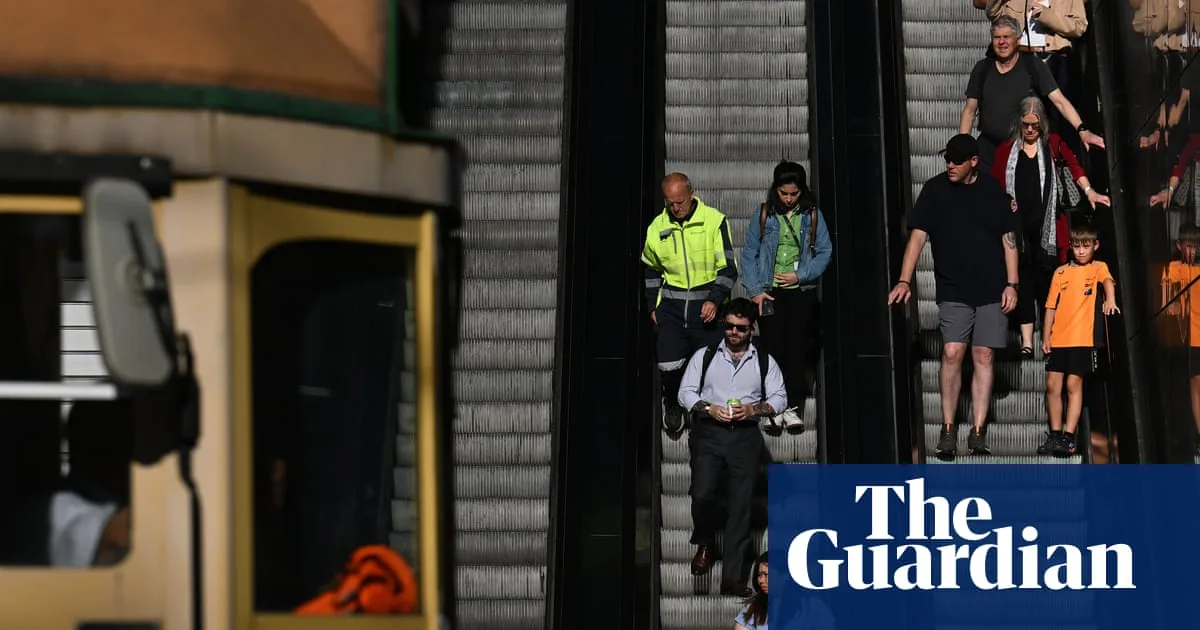
Australia's Fair Work Commission has announced a 4.75% pay increase for approximately 2.7 million workers on award wages, effective from July. An additional 100,000 of the lowest-paid employees will receive a 6% rise, lifting the minimum hourly rate from $24.95 to $26.44. The decision aims to address the erosion of real wages due to inflation, which stood at 4.2% in the year to April.
Commission President Adam Hatcher described the ruling as 'particularly challenging' amid global oil price surges linked to the Middle East conflict. He noted that wage rates for most award employees remain lower than in mid-2021, before post-pandemic inflation spikes. The Reserve Bank of Australia forecasts inflation at 4.8% by June, well above its 2.5% target.
Treasurer Jim Chalmers welcomed the decision, stating it 'strikes a very effective balance' and that decent pay is 'part of the solution'. He highlighted that the minimum wage has risen 30% since Labor took office in May 2022. However, the Australian Chamber of Commerce and Industry warned the increase could be a 'tipping point' for small businesses in retail, hospitality, and accommodation.
Economists expressed concerns about inflationary pressures. AMP's My Bui estimated the decision would add 0.6 percentage points to wage growth and could lead to larger pay claims elsewhere, potentially prompting another rate hike to 4.85% by November. The ACTU's Sally McManus countered that workers are also customers, and their spending power supports the economy.