The soaring cost of touring is making it almost impossible for musicians without substantial financial backing to take a show on the road, threatening the future of working-class pop and rock stars. A sold-out tour should be the ultimate cause for celebration for Britain's pop and rock artists, but a growing crisis now threatens the future of a business worth £8bn to the UK economy annually.
Even the most established artists are stepping off stage only to calculate how much money they have lost on their tours. Naomi Pohl, general secretary of the Musicians' Union, has laid bare the new reality that could leave homegrown talent without a platform to launch and further their careers.
Touring crisis hits grassroots venues
Pohl said: "Touring is how artists develop new audiences and nurture their existing fan base, building their careers and providing the foundations for the wider live music economy. Young and emerging musicians need live shows to build an audience, but often have to pay upfront without knowing whether they will be able to recoup the costs. If only those with backing from major record labels, commercial sponsors, or family can afford that risk, we will lose talented people before their careers have properly begun."
The Express campaign, which aims to restore music education to classrooms and protect the talent pipeline, has previously exposed a "cost of touring crisis" driven by soaring overheads, unsustainable tax burdens, and a shrinking grassroots infrastructure. Data from the Music Venue Trust (MVT) reveals that the financial model for grassroots live music has effectively broken down, with over half of grassroots music venues now making no profit at all.
In a single year, 30 grassroots music venues closed permanently, leaving 175 UK towns and cities (home to roughly 25 million people) without regular touring shows by professional artists.
Artists losing money on tours
The crisis is now stretching beyond the lower levels of the industry. Pohl points to BRIT Award-winner Kate Nash, who recently admitted to losing £26,000 on a European tour and £13,000 in the UK. In a sign of her desperation, Nash even resorted to funding her music by using OnlyFans.
As Pohl warns, this crisis doesn't just affect the star on the microphone – she also employs a huge team of crew and musicians. "If she can't make it work financially, all those jobs could be lost," Pohl added.
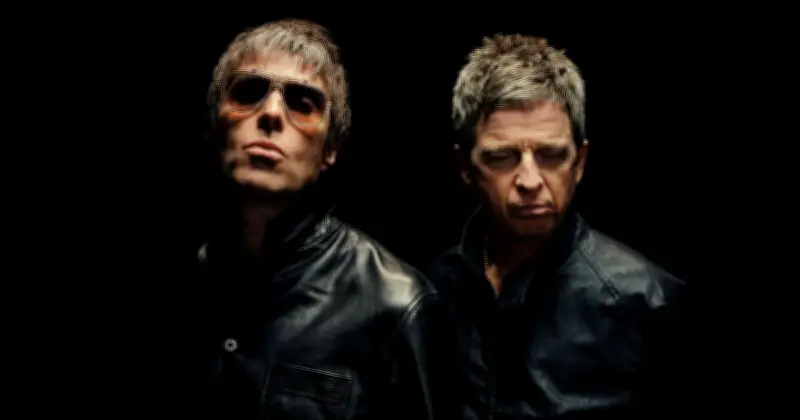
Fans are furious about sky-high gig prices and practices like dynamic pricing used by stars like Oasis. But that extra cash rarely reaches the performers and instead remains in the hands of large corporate ticketing agencies. Meanwhile, unscrupulous touts are cashing in while the Government drags its feet on legislation to tackle them. This means crucial potential earnings to finance music-making are lost not only to artists but also to the wider music industry.
Post-Brexit barriers add to costs
There is also the bureaucratic nightmare of post-Brexit touring in the EU. Expensive 'carnets'—passports for instruments—and complex visa rules have triggered a 21% plunge in European performances by UK artists since 2019. The financial toll is staggering, costing the UK touring sector £208 million and 2,490 jobs between 2022 and 2024.
"We need the Government to work with European stakeholders to reduce the costs and administrative barriers," Pohl urges, alongside demands to ban ticket touts and "make touring work again for musicians and fans alike."
Becoming a popstar should be possible for everyone – not just the rich. The next UK-EU Summit will take place before the end of the year and is an opportunity to turn commitments on improving EU touring into action.