

The Hidden Reality Behind Women's Boardroom Progress
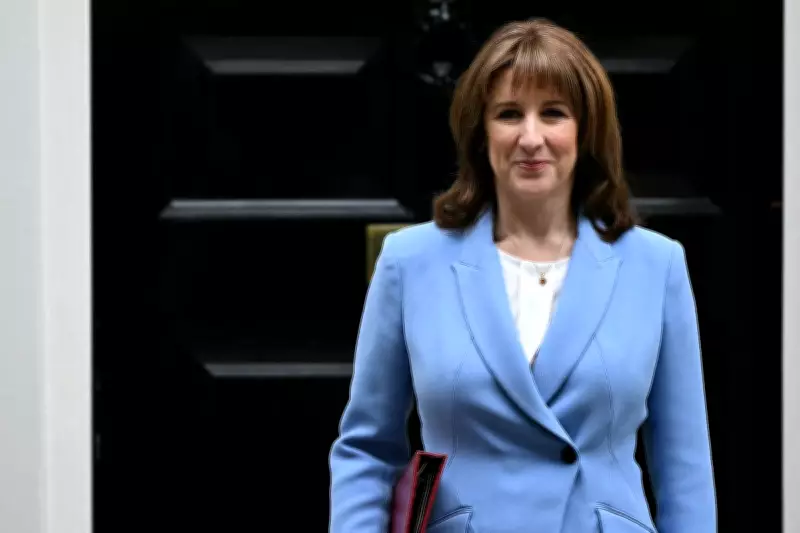
As International Women's Day approaches, Chancellor Rachel Reeves and Equalities Minister Seema Malhotra have been quick to celebrate apparent progress in gender diversity within Britain's largest corporations. New data from the FTSE Women Leaders review suggests significant advancement, with nearly 90% of FTSE 350 companies meeting or approaching a government-backed target of 40% female board representation. Specifically, 88% of these firms have boards where at least 33% of positions are held by women, while 69% have reached the voluntary 40% target.
Surface-Level Success Masks Deeper Imbalances
The statistics appear impressive when compared to 2011, when women occupied just 9.5% of FTSE 350 directorships. Today, that figure has soared to nearly 43%, leading Reeves to declare "there should be no ceiling on a woman's ambition" and Malhotra to assert that "women have moved from the periphery to the heart of the boardroom." The 30% Club, founded by Conservative peer Helena Morrissey in 2010, has also achieved its initial goal of 30% female representation on FTSE 100 boards.
However, a critical detail receives far less attention: only 15.4% of executive director roles in the FTSE 350 are held by women. This reveals that while women have gained substantial boardroom presence, they predominantly occupy non-executive director (NED) positions rather than roles involving day-to-day management and executive decision-making.

The Executive Leadership Gap Persists
Non-executive directors, while important, do not represent the pinnacle of corporate leadership. As the late Tiny Rowland of Lonrho famously remarked, NEDs can be as useful as "baubles on a Christmas tree." The true power resides with chief executives, and women remain dramatically underrepresented in these positions. When the 30% Club launched, the FTSE 100 included five female CEOs; today, there are only eight.
Nimesh Patel, co-chair of the Women Leaders Review, acknowledges this disparity: "The most senior executive roles remain disproportionately male. Fewer than 10% of FTSE 350 chief executives are women, with chair appointments telling a similar story. Progress at board level will count for little if the pipeline to the very top remains constrained."
New Initiatives Target Executive Leadership
The 30% Club has now shifted its focus to address this executive gap. Co-chair Pavita Cooper has launched the "30 by 30" campaign, aiming for 30 female CEOs in FTSE 100 companies by 2030. "It's a tagline," Cooper explains. "It's about saying that unless we have an aspirational direction of travel, we're going to go backwards." The organization has also set a goal for 50% of management roles below senior executive committees to be held by women by 2035.
These ambitions face significant challenges, particularly as some corporations retreat from diversity, equity, and inclusion (DEI) commitments following political pressure. Since Donald Trump's return to the US presidency, companies have abandoned ESG (environmental, social, and governance) targets to avoid losing federal contracts. This rapid reversal undermines claims that gender diversity was pursued for business performance rather than ethical obligation.
Systemic Barriers and Political Hypocrisy
The enthusiasm of government ministers for gender equality initiatives appears somewhat hypocritical given persistent sexism within political circles. Government scandals frequently reveal "boys' club" mentalities, with accusations of rampant sexism emerging during crises. This context makes political celebrations of corporate progress ring hollow.
While International Women's Day provides an opportunity to acknowledge genuine advancements in boardroom diversity, the reality remains that women continue to be excluded from the most powerful executive positions. The pipeline to leadership remains obstructed, and true equality requires more than symbolic representation in non-executive roles. As Britain celebrates statistical milestones, the fundamental challenge of placing women in actual leadership positions continues largely unaddressed.






