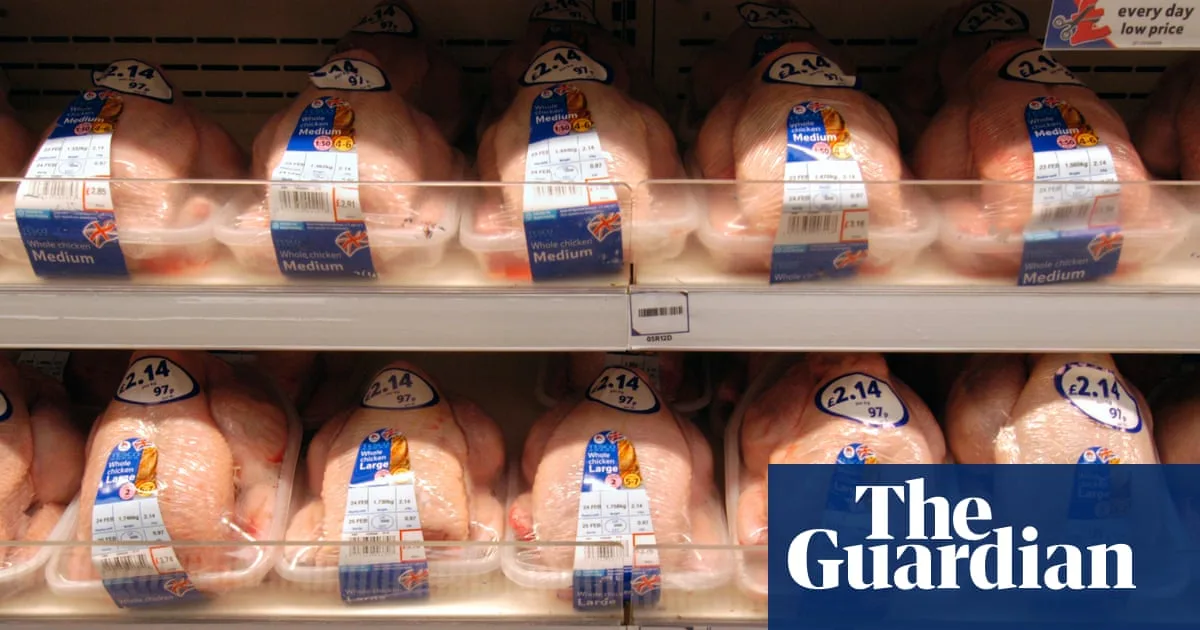
The UK could experience gaps on supermarket shelves this summer if the ongoing conflict with Iran continues to disrupt supplies of carbon dioxide (CO2), potentially affecting chicken, pork, and fizzy drinks. Government ministers are drawing up contingency plans for a 'reasonable worst-case scenario' if the Strait of Hormuz remains closed, cutting off CO2 imports essential for the food industry.
Officials from No 10, the Treasury, and the Ministry of Defence have conducted a planning operation named Exercise Turnstone, rehearsing scenarios of how British industry could be impacted by a prolonged closure of the strait. The exercise, run by the government's Cobra emergency committee, assumed multiple simultaneous disruptions, including the strait still being closed in June, no permanent peace deal between the US and Iran, and a mechanical failure at a key UK CO2 plant.
Business Secretary Peter Kyle said the public should be 'reassured' by the contingency planning, adding that CO2 supplies were 'not a concern' for the UK economy. He called the leak of the plans 'unhelpful' but stressed the importance of scenario planning. The government has invested £100 million to reopen the mothballed Ensus bioethanol plant on Teesside to boost CO2 supplies.
CO2 is critical for humane slaughter of livestock, packaging fresh produce, carbonating drinks, and cooling systems. Shortages could hit breweries ahead of the football World Cup starting 11 June. The gas is also used in surgical procedures, MRI scans, and cooling nuclear power plants.
Tesco chief executive Ken Murphy said the company had 'seen nothing at this point' in terms of supply chain problems from CO2 availability, and no suppliers had flagged issues. He welcomed the reopening of the Teesside plant and said Tesco was confident it could head off problems, having navigated crises from Covid to Brexit.