

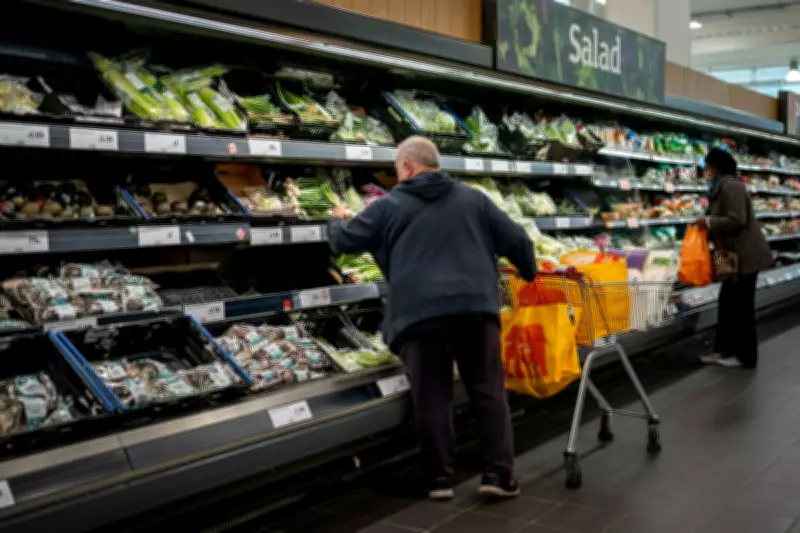
The UK government is reportedly pressuring supermarkets to voluntarily freeze or cut prices on essential items like milk, eggs, and bread. While ministers deny plans for compulsory price caps, the effect is similar. This approach echoes failed price controls from the 1970s and Soviet-era policies, which led to empty shelves and long queues. Instead of such measures, the government should focus on reducing taxes and red tape to lower costs for businesses and consumers.
Lessons from History
Price controls were tried in Britain in the 1970s and across the Eastern Bloc during communism, resulting in shortages and economic distortion. Even the current energy price cap is set with market reference, allowing companies to profit. Hungary and Croatia have capped profit margins on essentials, but problems arise when caps are set too low. The UK's competitive supermarket sector already operates on thin margins, making additional price freezes unsustainable without leading to higher prices elsewhere or reduced availability.
The Real Solution: Tax and Regulatory Relief
The government could ease the food cost crisis by reversing the recent increase in employer National Insurance contributions (NICs), which particularly affects supermarkets and food producers. This 'jobs tax' has spread higher costs across the economy. Combined with minimum wage hikes and burdensome regulations, it has squeezed businesses. Temporarily reducing NICs would provide immediate relief. Additionally, delaying costly regulatory changes, such as rearranging supermarket layouts for health reasons, would reduce unnecessary expenses. Instead of squeezing supermarkets, the government should support them to keep prices stable without risking shortages.

The current approach risks repeating past mistakes, with consumers ultimately paying the price. A focus on tax cuts and deregulation offers a more sustainable path to lower food costs.






