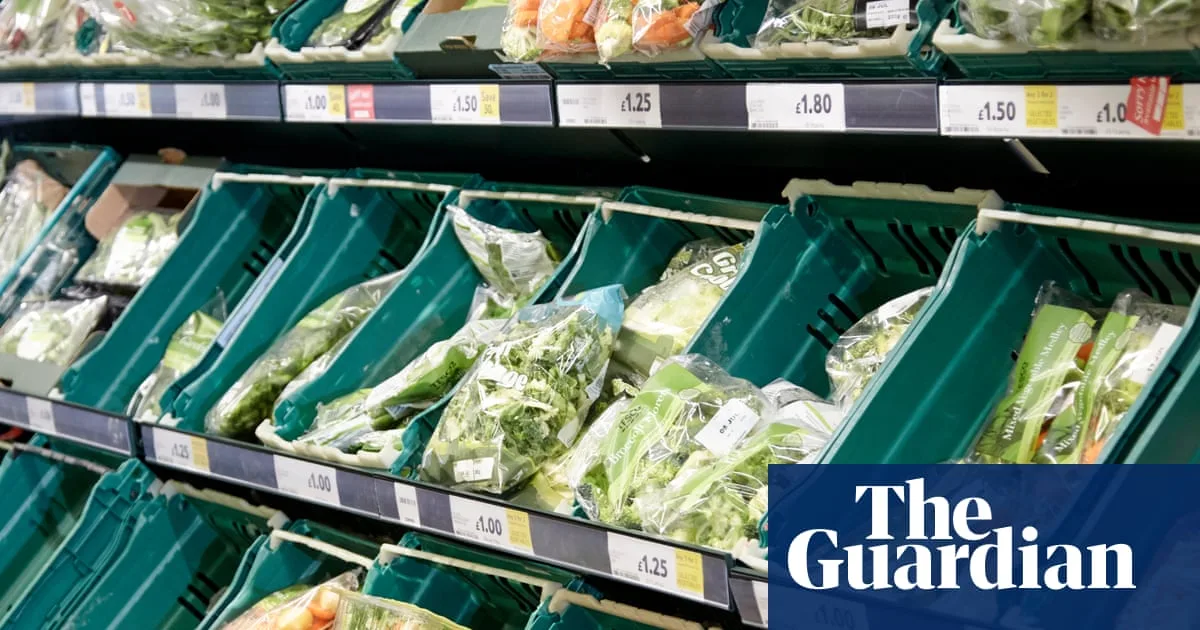
Food price inflation in the UK accelerated to 3.9% in January, up from 3.3% in December, according to the latest British Retail Consortium (BRC) figures. The increase was driven by rising energy bills and the government's hike in employers' national insurance contributions, retailers said.
The BRC's monthly price monitor showed overall shop price inflation rose to 1.5% in January, compared with 0.7% in December, exceeding economists' expectations of 0.7%. Fresh food inflation climbed to 4.4% over the same period.
Helen Dickinson, chief executive of the BRC, said: 'Any suggestion that inflation has peaked is simply not borne out by these figures. Shop price inflation jumped this month due to high business energy costs and the hike to national insurance continuing to feed through to prices.' She noted that meat, fish, and fruit were particularly affected due to weak supply and stronger demand.

The rise follows Chancellor Rachel Reeves' decision to increase employers' national insurance contributions from 13.8% to 15% and lower the threshold from £9,100 to £5,000, effective from April. The national minimum wage also rose by 6.7% in April. The BRC estimated that these changes increased the cost of employing a full-time minimum wage worker by 10% and a part-time worker by 13%.
A Treasury spokesperson said: 'The fair and necessary decisions we made at this budget and the last mean we can deliver on the country's priorities – cutting waiting lists, cutting debt and borrowing, and cutting the cost of living.' The Bank of England has forecast that food price inflation peaked in December and is expected to fall.
Non-food inflation remained subdued at 0.3% in January, up from a 0.6% decline in December. Mike Watkins of NIQ, which helps compile the BRC report, said cautious consumer spending meant retailers were likely to continue offering discounts beyond the typical winter sale period.