Exclusive polling by the Trade Union Congress (TUC) has found that the public supports a windfall tax on banks' "obscene" profits by a margin of more than three to one. The survey revealed overwhelming backing from across the political spectrum, including among Conservative and Reform voters.
The result was released on the eve of energy regulator Ofgem announcing a price increase for tens of millions of households from October 1. Experts forecast that Ofgem will confirm on Wednesday that its price cap will rise by another 4%, to £1,729 a year under its new measure of average household use, and £1,941 under its previous guide.
TUC calls for tax to fund social tariff
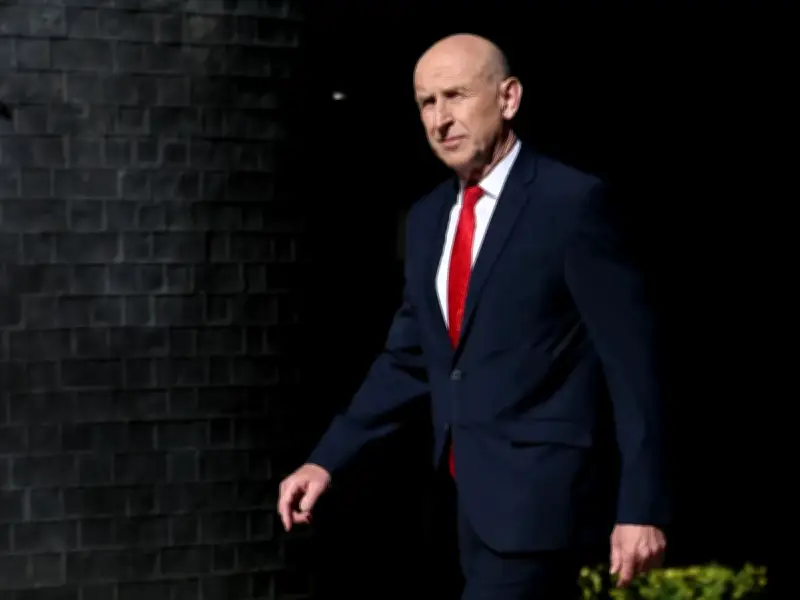
The TUC wants the government to use the money raised from a bank windfall tax to pay for a social tariff that could reduce energy bills by up to £559 a year for those on low and middle incomes. The trade union body has called on Prime Minister Andy Burnham and Chancellor John Healey to act after Britain's 'big four' banks - HSBC, Barclays, Lloyds Banking Group, and NatWest - made more than £29 billion profit in six months. Earnings have been partly fuelled by the Middle East war, which has driven up energy and other household bills and kept interest rates elevated for longer.

The TUC argues that increasing the surcharge on banks' profits to at least 8%, on top of the 25% corporation tax they pay, could raise £9 billion over four years. Raising it even higher could bring in as much as £60 billion over four years, it claims.
Proposals and public support
The money raised could then be used to fund a permanent energy social tariff to cut energy bills for 18.7 million households. Under its proposals, the scheme would cost between £3.4 billion and £5.9 billion per year, depending on variations in the wholesale cost of energy and how long the current energy crisis lasts.
The TUC says there should be a standard social tariff used as a baseline for bill support which, as it stands, could slash bills by an average 25% - or £466 a year - for low income households, and up to £279 a year for those below average incomes. However, it also suggests an "emergency ratchet" when, like now, energy bills are especially high.
The TUC polling, conducted by Hold Sway, found 65% of those asked support a windfall tax on the profits of banks and other financial institutions that have made extra profits. That compared to just 18% who were opposed, with the remainder undecided. The move is backed by 73% of Labour voters and 71% of Lib Dems, but also 69% of Tory and 64% of Reform voters. The level of support among Green Party voters was also 64% as the party formally proposed a 38% windfall tax on the domestic profits of the big banks.
Banks' profits and warnings
General Secretary Paul Nowak told the Mirror: "Big banks are cashing in on obscene profits while the rest of us have to put up with mortgage misery and bigger bills. It’s plain wrong – and the public knows it. It’s little wonder that voters from right across the political spectrum want banks to pay their fair share."
According to the TUC, the 'big four' have been making profits of £6.7 million an hour, or £1,850 a second. There is speculation that Mr Healey will launch a tax raid on banks to fund Mr Burnham's public spending plans.
However, the financial sector has ramped up warnings of the impact of any such move. Jamie Dimon, the chief executive of Wall Street giant JP Morgan, recently warned the Chancellor against taxing banks more, claiming it could push lenders overseas. Lobby group UK Finance said the sector paid £43 billion in taxes last year and warned hikes would "reduce UK competitiveness".
How a windfall tax could work
Banks currently pay the standard 25% corporation tax on profits, plus a 3% surcharge on top. The TUC is calling for this 3% to be upped to at least 8%, to the level it was before being cut by the Tories in April 2023, in a move the trade union body claims would collect £9 billion over four years.
However, it also suggests going further. A 16% surcharge would raise £24 billion over four years, it says, while a 35% surcharge, which would be the same level as the windfall tax the Conservatives imposed on energy companies, would bring in an estimated £60 billion over four years.