China has emerged as the sole winner in Asia from the crisis in the Strait of Hormuz, according to a report published on Tuesday by the geopolitical consulting firm Asia Group. The report concluded that China had weathered the global commodities crisis resulting from the closure of the vital waterway, and also stood to gain from the economic and geopolitical trends sparked by the wider conflict.
Iran virtually closed the strait after the US and Israel launched joint strikes on 28 February, killing Iran's supreme leader, Ali Khamenei. The ensuing crisis has sent global energy prices soaring, with Asia particularly exposed. Roughly 80% of the oil and nearly 90% of the liquefied natural gas transiting the waterway was destined for Asian markets.
The report looked at Asia's largest economies – China, India, Japan and South Korea – as well as emerging markets across south-east Asia. It concluded that China was a clear winner from the crisis caused by Donald Trump's foray into the Middle East. The country's large stockpiles of oil and ambitious rollout of renewable energy meant it was less exposed to the energy shock than other countries.
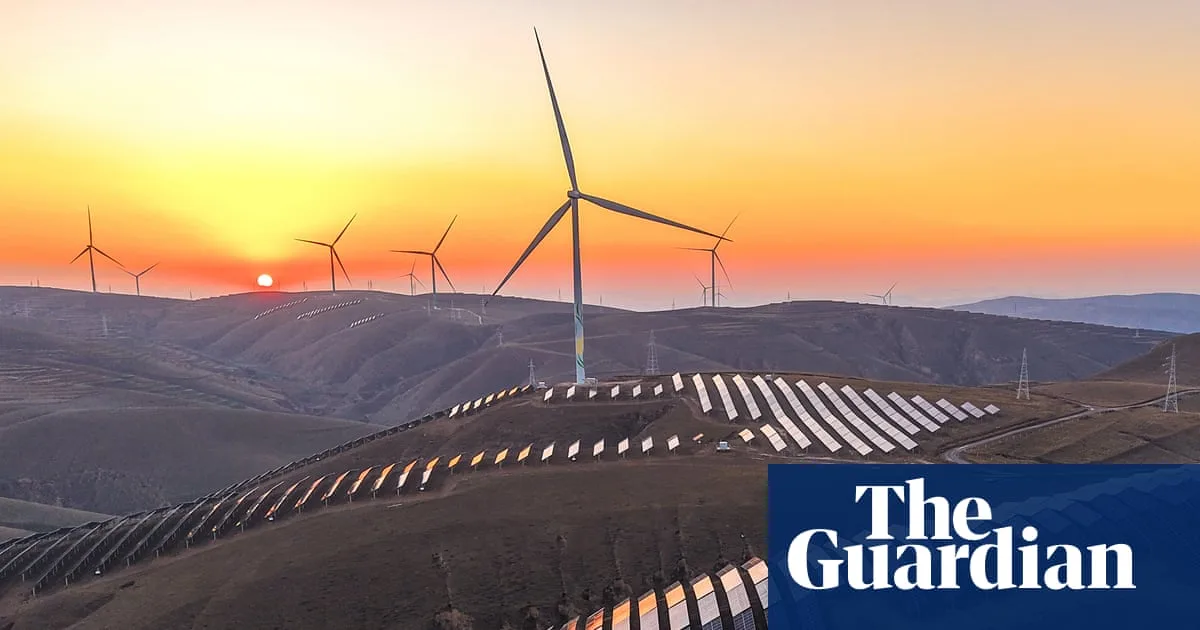
China has long maintained strategic reserves of energy, and last year took advantage of cheap prices to build up even bigger stockpiles. Its crude imports grew from 11.1m barrels a day to 11.6m in 2025, with over 80% of that increase being sent to stockpiles. As of January, China had enough stockpiled to cover 104 days of imports. The country has also been building massive amounts of renewable energy infrastructure, installing 315GW of new solar capacity last year.
China has also benefited from other countries reacting to the crisis by accelerating their clean energy buildout. Beijing dominates the global supply chain in solar and other clean technology industries. China's electric vehicle exports soared by more than 110% in May compared with the previous year, while solar shipments in April increased by 60%.
The report noted that the crisis allows Beijing to cast the United States as the destabilising actor. However, some analysts warned that China does not want to supplant Washington as a Middle East hegemon, and the crisis could also make Beijing think twice about a future military assault on Taiwan due to the difficulty of navigating ships through hostile territory.