

For over a year, retail giant Target has witnessed its customer base dwindle as competitors such as Amazon and Walmart attracted shoppers away. However, in the first quarter, the company finally observed its turnaround strategy beginning to yield results.
Desperate Measures to Win Back Customers
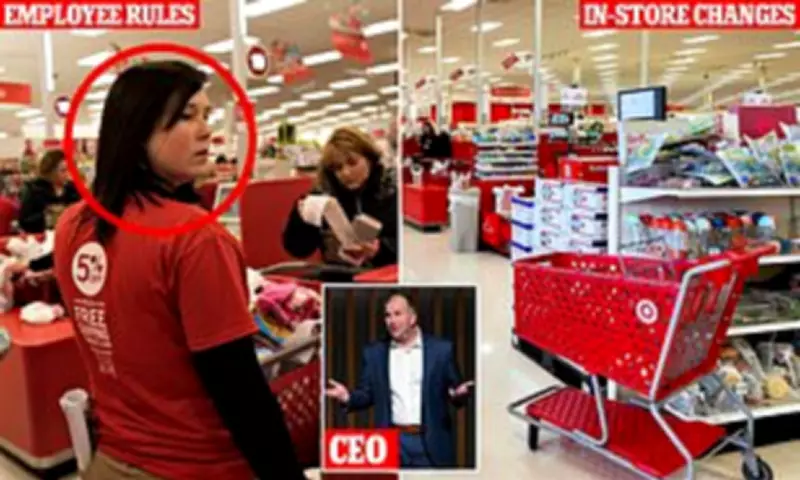
In a bid to lure back shoppers, Target implemented several changes, including requiring staff to smile more frequently, replacing hundreds of thousands of shopping carts, and overhauling its merchandise. These efforts were aimed at reversing a prolonged sales decline.
Yesterday afternoon, Target reported its first positive same-store sales figure in five quarters, with a 5.6 percent increase in the first quarter—the highest growth rate in four years. The retailer experienced broad-based strength in traffic to both its physical stores and online platform, with digital comparable sales rising by 8.9 percent.

Neil Saunders, managing director at GlobalData Retail, commented: "After a long period that must have felt like Narnia's eternal winter, today's results bring some welcome warmth to Target."
Investor Skepticism Remains
Despite the positive news, investors remain wary. Wall Street and retail investors have been selling off Target shares this morning, following a nearly 30 percent increase over recent months. Target's new CEO, Michael Fiddelke, cautioned that the company still faces a cautious US consumer, largely due to surging prices for raw materials. He warned that further economic challenges could pose risks ahead.
"We're only a quarter into this year," Fiddelke stated. "We want to be careful not to get out over our skis."
Focus on Non-Merchandise Sales
Target highlighted that so-called 'non-merchandise sales' surged nearly 25 percent in the quarter, driven by growth in its membership platform and Target+ marketplace. Emulating the success of Amazon and Walmart has been a key component of the turnaround plan, with executives concentrating on expanding these business units to retain customers.
Carol Spieckerman, a retail strategist, noted: "Target's recent hiring of an ex-Walmart supply chain expert hints at what is coming next. Target has wisely prioritized customer experience – without it, operational upgrades would be beside the point."
Executives also reported sales growth across all six of the company's core categories, with notable gains in toys, babies, and health and wellness.
Challenges Ahead
Saunders cautioned that not all of Target's problems have been resolved, nor is the company executing perfectly across all areas. However, he believes the company has begun to improve the customer experience. "Availability is better with fewer out of stocks. There's a focus on growth categories like collectibles. Some investment is going into stores. And fashion is looking a little stronger," he said.
For the first quarter, Target's sales rose nearly 7 percent to over $25 billion, with adjusted earnings per share of $1.71—both figures surpassing Wall Street expectations. During the post-earnings conference call, Fiddelke indicated that both higher-income and lower-income consumers are returning, despite the latter struggling more with price increases.
"The acid test will be whether Target can sustain this and swing the sales gains into improved profit," Saunders added.
Target currently operates over 2,000 stores across all 50 US states. The Daily Mail has contacted Target for comment.






