Sir Keir Starmer has admitted that Donald Trump's war on Iran will affect the British economy, as oil prices surged above $100 a barrel for the first time since 2022. The Prime Minister warned that every household and business could be hit if the Middle East conflict continues.
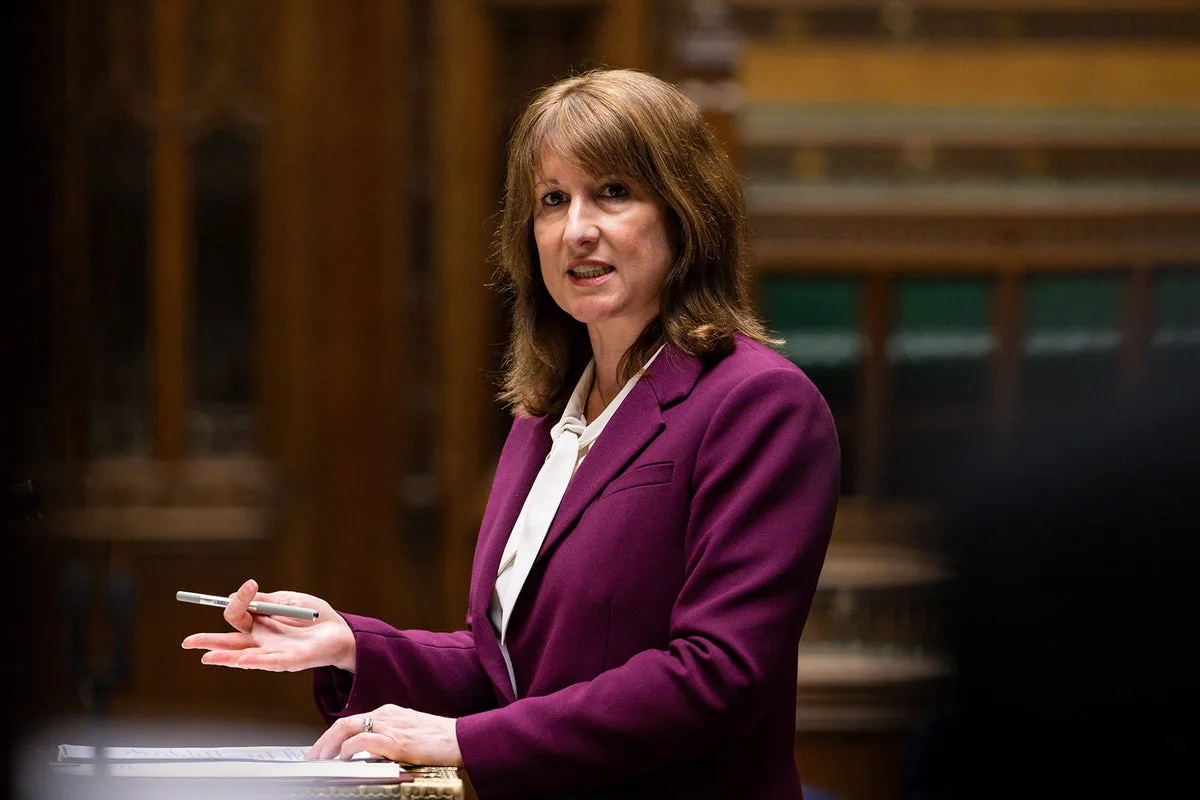
Chancellor Rachel Reeves told MPs that the situation is likely to put upward pressure on inflation in the coming months. She announced that G7 finance ministers agreed to a joint release of oil reserves, and the Ministry of Defence has been authorised to use government reserves to meet emergency costs.
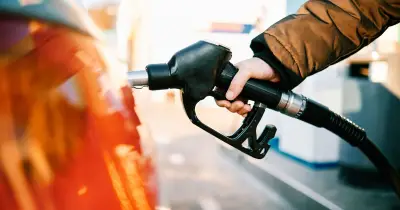
Since the US and Israel began bombing Iran, the average price of a litre of petrol in the UK has risen by 5p to 137.5p, while diesel is up 9p to 151p. Energy Secretary Ed Miliband warned the heating oil industry that price gouging will not be tolerated.
The conflict entered its 10th day, with Iran sending thousands into the streets of Tehran in support of new ayatollah Mojtaba Khamenei. Israeli strikes hit Hezbollah targets in southern Lebanon, and Human Rights Watch accused Israel of using white phosphorus over civilian homes. At least 400 people have been killed and over 1,000 injured.
Qatar intercepted 17 ballistic missiles and six drones, while Turkey reported a missile entering its airspace. Fires broke out at oil facilities in the UAE and Bahrain, and Saudi Arabia intercepted drones attacking its Shaybah field.
The government rejected suggestions of fuel supply shortages, and the AA advised drivers not to change refuelling habits but to consider cutting non-essential journeys. The energy price cap will protect most households in the short term, but rising oil prices may prevent the Bank of England from cutting interest rates this month.