

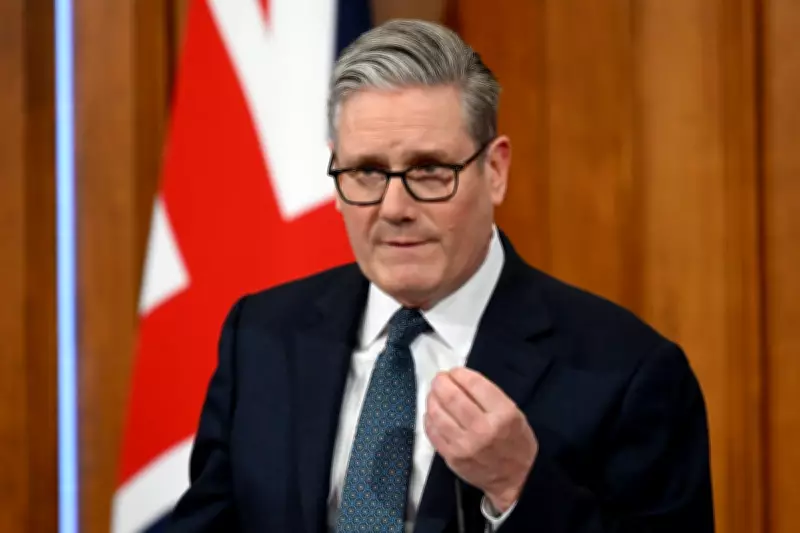
Starmer Pledges Economic Protection Amid Iran Conflict Fallout
Sir Keir Starmer has made a firm commitment to protect British citizens from the economic repercussions of the escalating conflict in the Middle East. This pledge comes as oil prices have surged dramatically, surpassing the $100 per barrel mark for the first time since 2022. The Labour leader emphasised that his primary focus remains on supporting working families who are grappling with the rising cost of living, particularly in light of these new global pressures.
Market Turmoil and Oil Price Surge
The financial markets have reacted swiftly to the heightened tensions. London's FTSE 100 Index experienced a sharp decline of nearly 2 per cent shortly after opening, a direct consequence of the acute supply crunch triggered by the conflict. This market volatility underscores the fragile state of the global economy as it responds to the US-Israeli assault on Iran and the subsequent retaliatory actions. The surge in oil prices is a critical factor, with analysts warning of potential long-term impacts on inflation and consumer spending in the UK.
Starmer's Focus on Working Families
Ahead of a planned visit to London, Sir Keir Starmer reiterated his dedication to mitigating the economic strain on ordinary Britons. He stated that the government must take proactive measures to shield households from the fallout, which includes potential increases in fuel costs and broader inflationary pressures. His approach contrasts with other political responses, as he aims to position Labour as the party of economic stability and protection during times of international crisis.

Political Reactions and Social Media Controversy
In a related development, Sir Keir Starmer faced criticism after posting a dramatic TikTok video outlining Britain's response to the war in Iran. Critics mocked the Labour leader, accusing him of 'copying Trump' in his use of social media to communicate policy stances. This incident highlights the growing role of digital platforms in political discourse, even as serious economic issues take centre stage. Despite the backlash, Starmer's team defended the move as a necessary effort to engage with younger voters and communicate urgent messages directly.
The broader political landscape remains tense, with debates intensifying over how best to handle the economic implications of the conflict. Starmer's vows are seen as a strategic move to address public concerns ahead of potential electoral challenges, while also responding to immediate market anxieties. As oil prices continue to fluctuate, the effectiveness of these protective measures will be closely watched by economists and policymakers alike.






