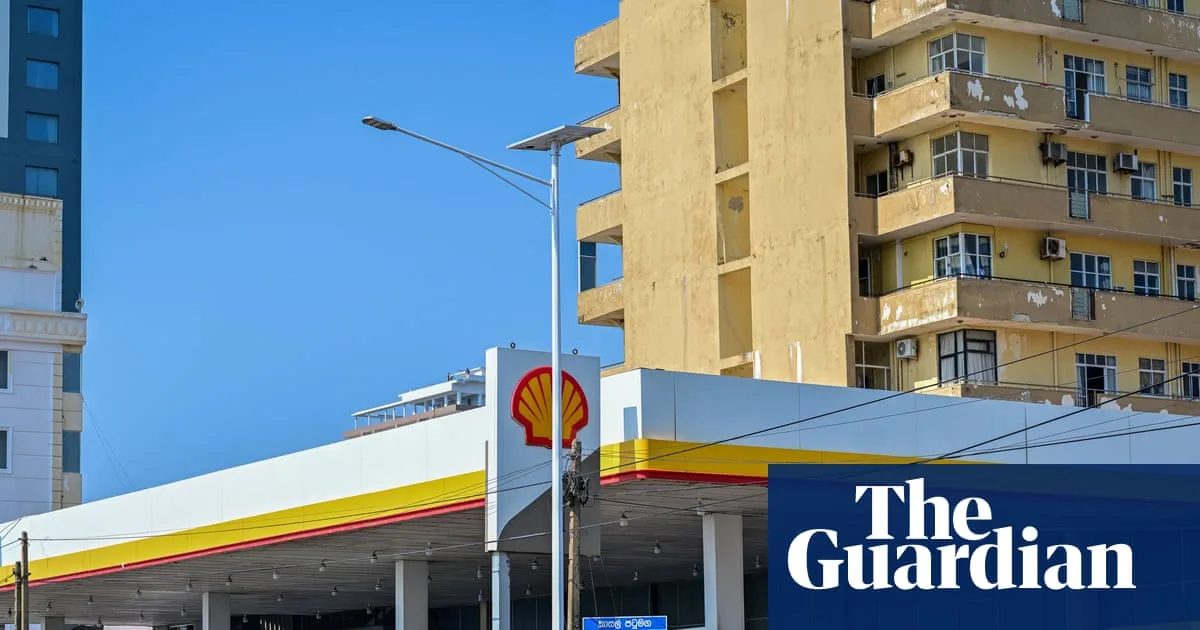
Sri Lanka has introduced a four-day working week for state institutions, schools, and universities to conserve dwindling fuel and gas reserves, as the Middle East conflict disrupts energy supplies across South Asia. The measure, effective from Wednesday, is part of emergency steps to cope with shortages caused by the effective closure of the Strait of Hormuz, a critical shipping route for oil and gas.
Countries including Bangladesh, India, and Pakistan are also facing severe energy shortages. Bangladesh has announced early Ramadan holidays for universities and imposed scheduled power blackouts. Pakistan has moved schools to remote learning and raised fuel prices. Sri Lanka, which sources most of its fuel from the Middle East, began fuel rationing on Sunday, limiting motorists to 15 litres of petrol or diesel per week, while public transport receives up to 200 litres.
Prabath Chandrakeerthi, commissioner general of essential services, urged the private sector to also declare Wednesday a holiday. The government assured that essential services like hospitals and ports would continue operating normally. Officials stated that petrol and diesel reserves would last nearly six weeks but warned that any disruption to fresh supplies could severely affect the island.
At an emergency meeting on Monday, President Anura Kumara Dissanayake reportedly said, "We must prepare for the worst, but hope for the best." The government fears that a prolonged war could undermine efforts to recover from the 2022 economic crisis. In India, long queues formed for cooking gas canisters, and some restaurants closed. Prime Minister Narendra Modi reassured the public there was no LPG shortage. India reported diplomatic success as two tankers carrying gas navigated through the Strait of Hormuz after direct negotiations with Iran.