Europe remains the default summer fantasy for many travellers, but this year, getting there may feel less straightforward. Between overtourism, soaring airfares, the Iran war driving up fuel costs and the rollout of the EES system causing long queues and delays, the continent faces new headwinds for its busiest season. July flights from the US to Europe are already down more than 11% from the same period last year, including dramatic drops to the summer's most visited destinations like Paris, Dublin and Rome.
That does not mean travellers are giving up on Europe; instead, they are becoming more selective about what feels worth the money, the hassle and the crowds. According to Rome2Rio's 2026 Travel & Mobility Trends Report, traveller searches for smaller cities are up 35% globally. In March, the European Travel Commission also reported growing interest among long-haul travellers in going beyond the best-known capitals and seeing more local, less crowded experiences.
"People still want the Italy or France feeling, but without the squeeze," said Bryce Collins, founder of INTRO Travel. "Croatia is a good example, especially if you step beyond Dubrovnik. Places like Korčula give you the same Venetian architecture and Adriatic coastline but slower pace and fewer crowds, so it feels familiar but not as hectic."

Beyond affordability, people are also looking for ease of movement and safety. "Rising costs and travel fatigue are steering Americans away from whirlwind, multi-stop trips and toward itineraries that minimise transit and maximise immersion," said Bryan Lewis, founder and CEO of Tenon Tours. "They're choosing depth over distance."
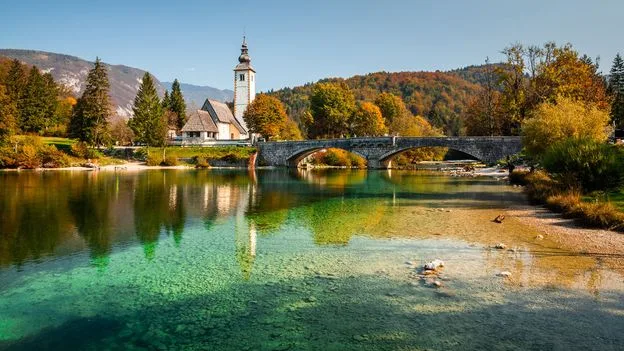
This explains why many smaller European countries are looking newly attractive. Albania, Latvia and Lithuania still have average short-term rental prices below €100 (£87) a night, according to PriceLabs. Food, museum tickets and tourist taxes also tend to be lower than Western Europe's summer heavyweights. Slovenia, in particular, has seen a 286% year-on-year rise in bookings to Slovenia, according to luxury operator Unforgettable Travel Company. "Slovenia offers better value for accommodation, travel and expenses compared to more popular destinations; about 15% more affordable than Austria and 25% more affordable than Switzerland," said Charlotte Wells, the company's global director of product and operations.
Where Slovenia is about packing in outdoor activities against Alpine backdrops, a Latvian city break offers culture, character and a cooler climate – in short, the draw of the Nordics without the price tag. PriceLabs places Latvia's average August room night at €93 (£80; $109), compared with €186 (£160; $218) in Denmark. Cost-of-living data from Expatistan.com puts Riga, the country's capital, at 34% cheaper than Berlin, 50% cheaper than Oslo and 46% cheaper than Dublin.