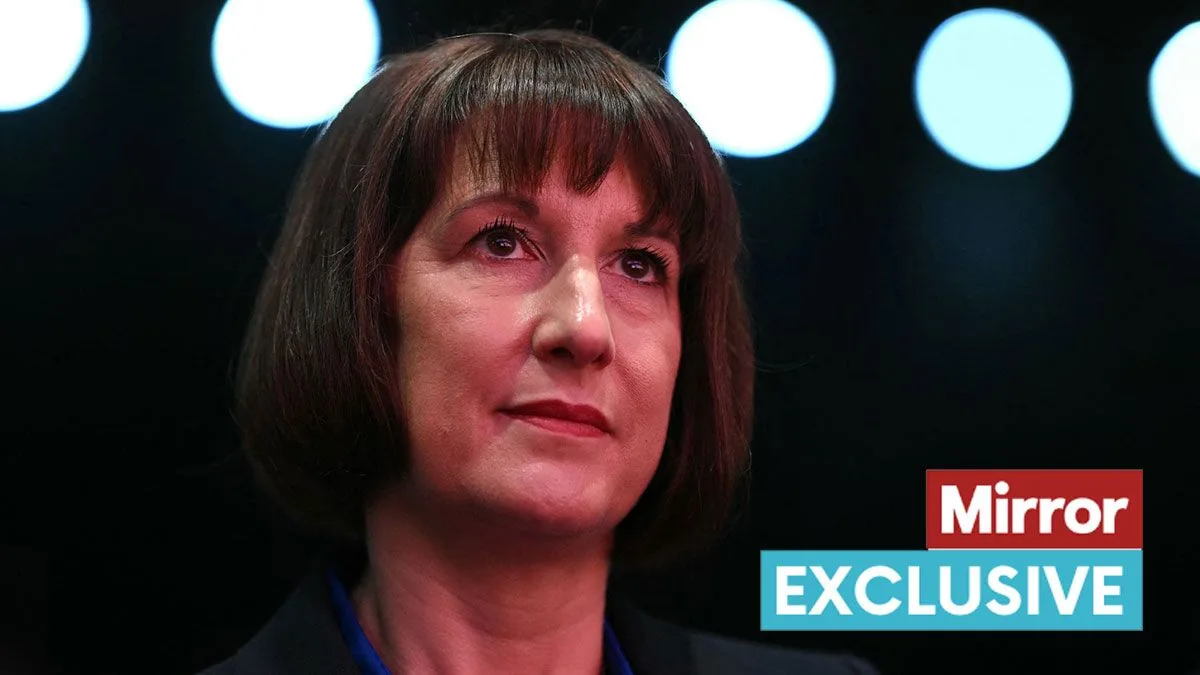
Chancellor Rachel Reeves has announced a major crackdown on tax avoidance and evasion, aiming to recover billions of pounds for public services. Speaking at the Labour Party conference, Reeves highlighted the £39.8 billion tax gap—the difference between tax owed and tax collected—and pledged to pursue those who fail to pay their fair share.
Reeves plans to deploy 200 new tax experts from November, with a target of increasing the enforcement force by 5,000 over the current Parliament. The move comes as the government grapples with a £22 billion shortfall in public finances inherited from the previous Conservative administration. Reeves stated: 'If you make your home and do your business in Britain, then you should pay your taxes here too.'
HMRC data for 2022/23 shows that wealthy individuals and businesses illegally evading tax, along with criminals smuggling alcohol and tobacco, accounted for about 24% of the tax gap. Another 30% stemmed from people failing to take 'reasonable care' with their taxes, while tax avoidance—legal but aggressive use of the system—made up around 4%. Reeves said she would give HMRC the resources needed to modernise and tackle these issues.
The Treasury will also consult on mandatory e-invoicing to make it harder for firms to dodge tax. Ahead of the Budget, Reeves ruled out a return to austerity, saying: 'Conservative austerity was a destructive choice for our public services… We must deal with the Tory legacy and that means tough decisions. But we won’t let that dim our ambition for Britain.'
Reeves reiterated Labour's manifesto commitments not to raise VAT, income tax, or national insurance on working people, and to keep corporation tax at 25% over the next Parliament. She resisted pressure from Labour backers, including Unite, for a wealth tax on the richest 1%, which could raise £25 billion annually. Instead, she promised to make people better off, cut hospital waiting lists, and invest in future jobs and industries.