

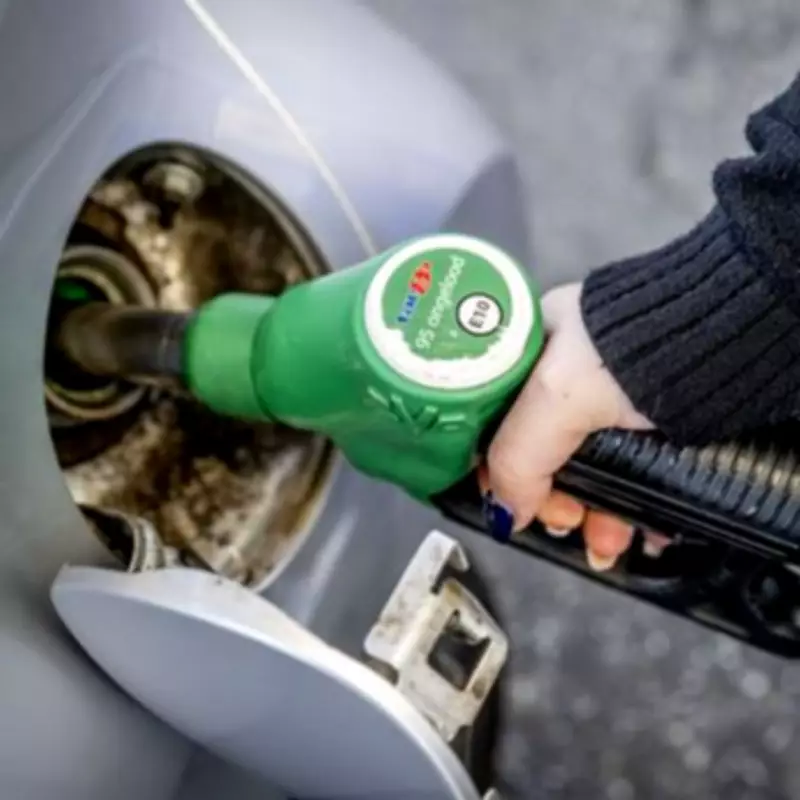
Chancellor Rachel Reeves is poised to announce that she will scrap a planned increase to fuel duty this week, as part of a broader package aimed at alleviating cost of living pressures exacerbated by the ongoing conflict in Iran.
Background on Fuel Duty
In her November Budget, Ms Reeves outlined plans to phase out the temporary 5p reduction in fuel duty, initially introduced in 2022 following Russia's invasion of Ukraine, starting from September. However, with petrol prices surging due to the closure of the Strait of Hormuz—a critical waterway for approximately one-fifth of the world's oil and gas—she is now expected to shelve those plans.
Announcement Expected Thursday
According to sources, the Chancellor will confirm on Thursday that the fuel duty cut will be retained as part of a wider set of measures designed to support families and businesses. This decision comes after the Mirror revealed that Number 10 and the Treasury were developing strategies to address the rising cost of living, particularly following Labour's poor performance in local elections.

The Prime Minister's spokesperson declined to comment on specific tax plans but stated: "The Government is determined to keep costs down for motorists paying more because of the war in Iran. That’s why we’ve extended the 5p fuel duty cut twice, until September. While we will continue to monitor the situation, as the Chancellor has set out, a rapid de-escalation in the Middle East remains the best way to keep pump prices low. We will also take the necessary decisions to help families with the cost of living and protect the public finances."
Pressure on the Chancellor
Ms Reeves has faced intense pressure to abandon the fuel duty increase as the economic fallout from the Middle East conflict impacts Britons through higher inflation, food costs, and petrol prices. Separate plans to assist low-income families with rising energy bills are expected later this year. Government insiders are concerned about a potential spike in household bills, but the Chancellor wishes to assess the scale of price increases before determining the extent of intervention.
Energy Price Cap Forecast
Ofgem is set to announce its latest price cap, effective from July 1, on May 27. This cap is influenced by factors such as wholesale costs, which have risen due to the war in Iran. Industry analysts Cornwall Insight currently forecast that the cap, covering approximately 33 million customers on standard variable tariffs, will increase from around £1,641 per year to approximately £1,843 per year from July 1.
Additionally, the Government has allocated £50 million to subsidise soaring heating oil costs, which particularly affect families in rural areas, notably in Northern Ireland, who rely on this fuel for heating.






