

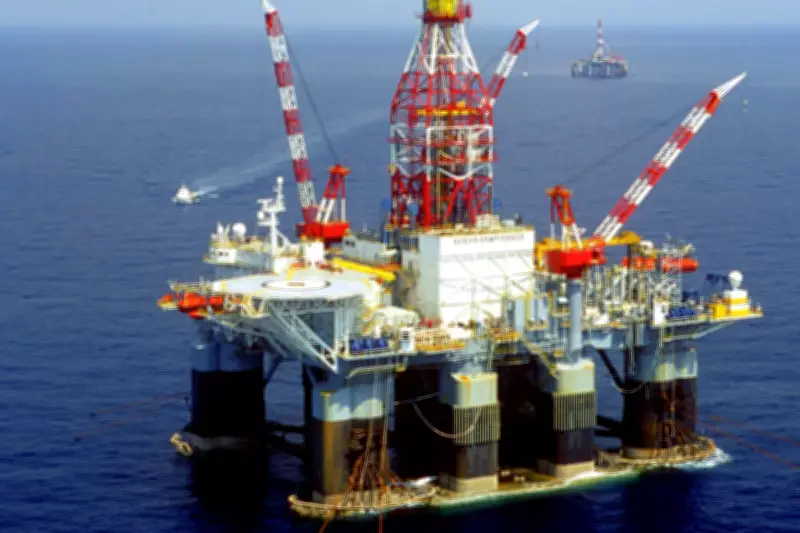
Chancellor Rachel Reeves has unveiled plans to close a tax loophole on overseas activities, targeting oil and gas profits in a move expected to raise hundreds of millions of pounds annually. In a speech outlining cost-of-living support measures, Reeves stated that firms, including energy giants BP and Shell, would no longer be able to reduce their tax liabilities by using corporate structures involving foreign branches.
Loophole Closure Details
Reeves explained that some oil and gas groups operating overseas through foreign branches have structured their tax affairs to pay little or no corporation tax on their UK energy trading profits. “Today we are putting an end to that practice,” she declared, adding that the reforms would raise hundreds of millions of pounds each year to fund the announced support package.
Industry Reaction
Greenpeace welcomed the announcement, with political campaigner Rudy Schulkind stating, “It is already indefensible that companies like Shell are reaping eyewatering profits off the back of the energy crisis while millions face soaring bills and growing climate chaos. So it’s hugely encouraging that the Chancellor is siding with cash-strapped households over polluting profiteers.” He stressed that the detail will matter and that they will monitor implementation closely.

BP and Shell did not immediately respond to requests for comment. Offshore Energies UK (OEUK), the leading energy body, said it was reviewing the proposals.
Context of Oil Profits
The move comes after BP and Shell reported massive profit hauls due to bumper results in their energy trading businesses, driven by soaring oil prices caused by the Iran war. Shell reported underlying earnings of $6.92 billion (£5.09 billion) for the first quarter, more than double the previous quarter and 24% higher year-on-year. BP saw first-quarter profits more than double to $3.2 billion (£2.35 billion), as traders capitalised on highly volatile oil prices.
The UK already imposes a 38% windfall tax on the oil and gas sector when prices exceed government-set thresholds. Combined with permanent corporate taxes, the total headline tax rate on upstream oil and gas profits reaches 78%.






