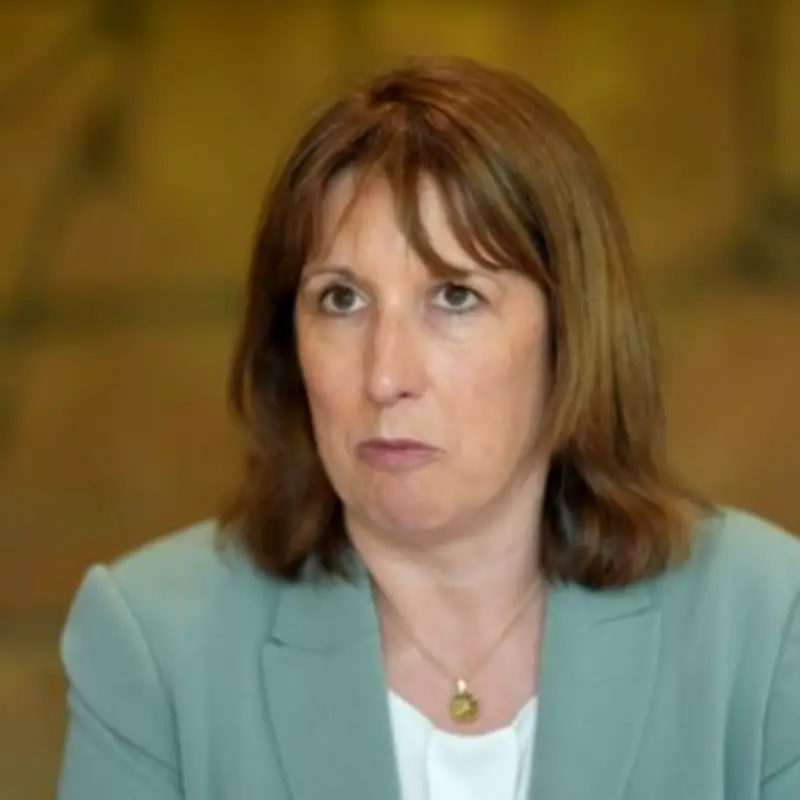
Rachel Reeves is expected to be removed as Chancellor following Sir Keir Starmer's resignation as Labour leader. While the incoming Prime Minister is not obliged to dismiss the Chancellor, political shifts within the party make it probable. Andy Burnham, the frontrunner to succeed Starmer, has been reported by The Times to plan to axe Reeves if he becomes Prime Minister, arguing she is too closely tied to Starmer's record and the party's failure to control public finances.
Market Reactions and Borrowing Costs
Analysts warn that Reeves' departure could lead to higher borrowing costs, tax increases, and a weaker pound. Andrew Prosser, head of investments at InvestEngine, noted that investors are concerned about who will succeed Reeves and whether they will maintain her cautious approach or shift toward Burnham's agenda, which focuses on reducing costs for lower earners.
Prosser explained: "If investors believe a new Chancellor is more likely to loosen the fiscal rules, increase borrowing or delay difficult tax and spending decisions, gilt yields could rise. Gilts are UK Government bonds, and their yields help influence the wider cost of borrowing across the economy. That can matter for anyone taking out a mortgage, remortgaging, using a personal loan, financing a car or running a small business." He added that those coming to the end of fixed-rate mortgage deals could face higher rates.

Potential Tax Rises
Prosser also cautioned about potential tax rises. Burnham has reportedly backed Labour's pledge not to raise income tax, VAT, or employee National Insurance, while supporting Reeves' fiscal rules. However, he has proposed raising the personal allowance from £12,570, which would boost take-home pay for lower and middle earners, and restoring the 50% top rate of income tax, up from 45%, affecting only the highest earners.
Impact on Everyday Prices
A weaker pound could raise everyday prices. Prosser said: "A weaker pound makes imports more expensive. That can feed into the price of food, fuel, clothes, electronics and holidays abroad. It can also make inflation harder to bring down, which could make the Bank of England more cautious about cutting interest rates." He noted that Burnham's focus on lowering essential costs could partly offset this pressure, but if markets see his plans as underfunded, sterling could weaken further.