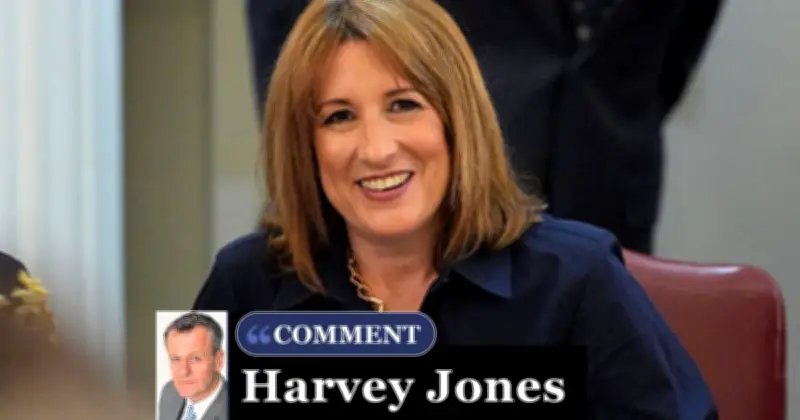
Rachel Reeves has left a difficult legacy for Prime Minister Andy Burnham, who fired her at the first opportunity. The former chancellor's fiscal timetable, inherited by Burnham and new Chancellor John Healey, is described as a ticking time bomb that could explode at the worst possible moment.
Reeves' Spending Splurge and Its Aftermath
Reeves reportedly spent heavily immediately after the election, directing money toward public sector pay, rail unions, the NHS, and welfare. This was done to please the party's left-wing backbenchers and trade union paymasters. However, she left the difficult part—tightening spending—for the final two years of the parliamentary term, before the 2029 election.
Her plan assumed the economy would be performing well by then, but her incompetence and blundering helped kill growth stone dead, according to the article.

Burnham's Inherited Fiscal Challenges
Burnham now wants to spend more, having pledged to cut energy bills, bus fares, and pub business rates. He also needs to find £4.7 billion for defence, while his social care and council housing plans could cost tens of billions. However, Reeves has already spent the available cash.
Given the dire fiscal position, with net debt approaching £3 trillion and rising borrowing costs, borrowing more would be unwise. Hiking taxes is another option, but Burnham has pledged not to increase income tax, National Insurance, or VAT. This leaves spending cuts as the only option, despite the UK spending £1 billion a day on welfare.
Potential Boost for Reform UK
Spending and benefit cuts could tear the Labour party apart in the final two years before the 2029 election. The article suggests this situation has handed Reform UK leader Nigel Farage the best gift he could have asked for, potentially propelling him into Number 10.