

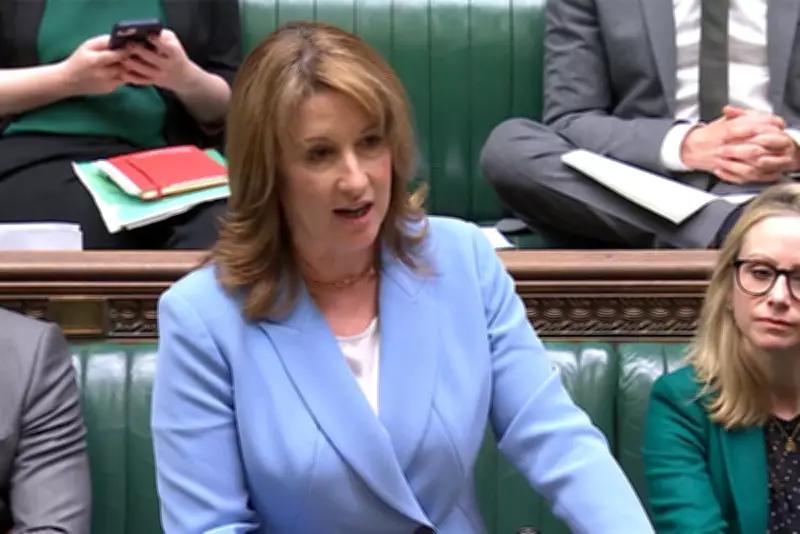
Chancellor Rachel Reeves has unveiled a cost of living support package aimed at easing financial pressures on households, but critics argue it falls short of addressing the most pressing issues. The announcement, made in the House of Commons, comes amid rising energy prices and ongoing economic uncertainty linked to global conflicts.
Key Measures Announced
The centrepiece of the package is a 10p increase in the tax-free mileage rate, backdated to April 2026, raising it from 45p to 55p per mile. This is the first such rise in 15 years and is designed to help workers who use their vehicles for business purposes, including plumbers and other tradespeople. The move has been welcomed by small business owners and self-employed individuals who rely on their cars and vans for work.
Other measures include a temporary VAT reduction to 5% on tickets for summer attractions and children's meals, as well as free bus travel for children during the summer holidays. The chancellor also announced the suspension of tariffs on 100 food items, including biscuits and baked beans, aiming to reduce grocery bills.

What Was Left Out
Notably absent from the package were more substantial interventions such as a price cap on essential goods like bread, milk, and eggs, or a comprehensive energy bill cap. The latter was a defining policy of Liz Truss's short-lived government but was ultimately abandoned due to cost. Reeves avoided these measures, likely due to fiscal constraints.
Instead, a targeted £120 million support package was announced for the ceramics industry in Stoke-on-Trent, a key political battleground. This has been interpreted as a political move to shore up Labour support in areas where Reform UK is gaining ground.
Political Context
The announcement comes at a precarious time for the government, with speculation about a potential leadership change. Reeves's package is seen as an attempt to demonstrate that the government is still functional and responsive to public needs. However, analysts question whether these incremental measures will be enough to make a significant difference to households struggling with high living costs.
The chancellor defended her approach, stating that 'the fundamentals are right' and pointing to the International Monetary Fund's upgraded growth forecast for the UK. Yet, the absence of bold measures has led many to view this as a final political gesture rather than a comprehensive solution.






