Australian Households Brace for Economic Strain Amid Dual Financial Pressures
Australian households are grappling with a severe financial squeeze as surging interest rates and escalating petrol prices strip more than $1 billion monthly from budgets, heightening fears of an impending recession. Economists warn that borrowers face losing hundreds of dollars each month in higher repayments, compounded by rising fuel costs that add further pain to already strained finances.
Mortgage Repayments Swing Back to Previous Highs
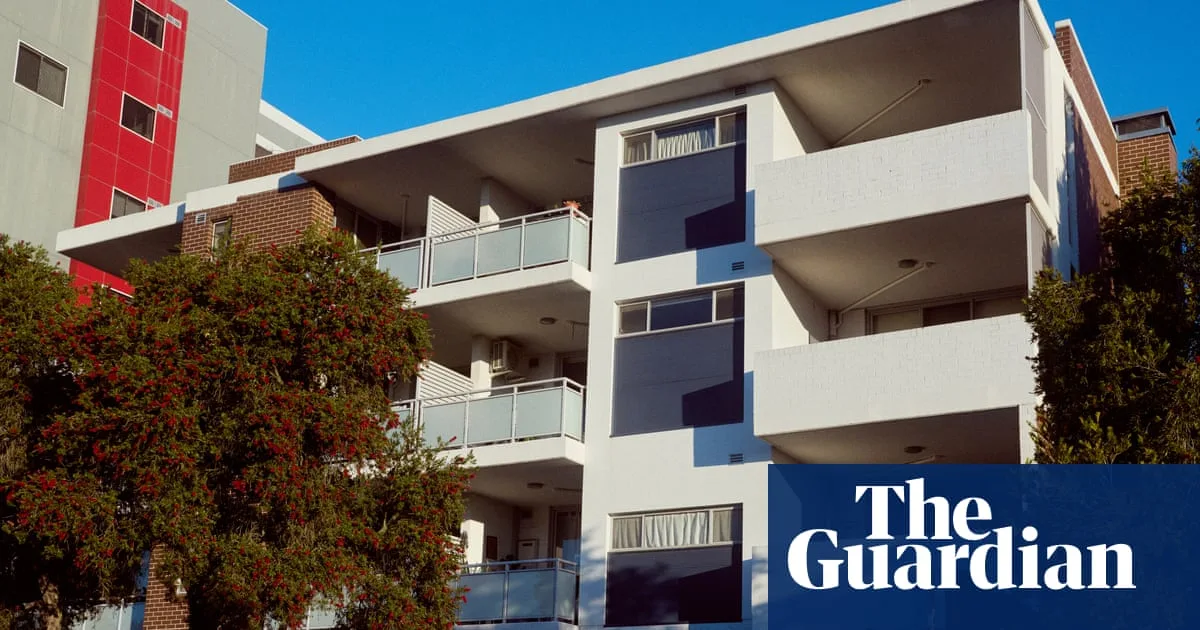
Dougal Warby, who purchased a Brisbane apartment in April 2025, exemplifies the volatility faced by homeowners. Initially benefiting from anticipated rate cuts, he has seen his repayments fluctuate, with recent hikes rebounding to 4.1%, adding over $200 to his monthly outgoings. "We've seen two drops, two raises, which pretty much brings us back to square one," Warby remarked, describing the situation as "unsettled." This sentiment echoes across Australia's 3.3 million mortgage-holding households, where February and March rate increases have added $180 to typical $600,000 loans.
Reserve Bank's Controversial Rate Decisions
The Reserve Bank of Australia (RBA) has delivered back-to-back interest rate hikes in response to inflation spikes driven by the US war on Iran, a move that may not age well according to some analysts. RBA Governor Michele Bullock defended the decision, stating the aim is to reduce economic demand and curb inflation. "I understand that this is tough news for people with mortgages," Bullock said, "but it'll be much worse if inflation gets built into the fibres, and then we will see the cost of everything going up." The big four banks anticipate another rate hike in May, potentially pushing average rates above 6% and forcing owner-occupiers to cut spending significantly.
Petrol Price Surge Adds to Household Burden
Concurrently, petrol prices have skyrocketed, with regular unleaded rising by more than 50 cents to approach $2.30 per litre in capital cities. AMP modelling indicates that nearly 11 million households are now paying an extra $80 monthly for fuel since the outbreak of war. Westpac analysis predicts prices will remain above $2 per litre until June, with a prolonged conflict likely to push them higher and slash economic growth by nearly half. This dual pressure creates what Canstar's Sally Tindall calls a "double whammy" of mortgage hikes and rising costs for groceries and petrol.
Recession Risks Intensify Amid Economic Slowdown
Economists are divided on the outlook, with some like AMP's My Bui warning that further rate hikes could make a recession more likely, exacerbating the crunch on household budgets. Consumer spending has already begun to slow in early 2026, and household confidence has plummeted to lows not seen since the COVID-19 pandemic. In contrast, HSBC's chief economist Paul Bloxham argues that a downturn may be necessary to control inflation, stating, "To get inflation to head back to target, there needs to be a downturn in the economy." Bullock reiterated that recession is not the RBA's goal but acknowledged that further declines in spending may be required.
As Australians navigate these challenging economic waters, the combined impact of interest rate rises and petrol price increases continues to fuel uncertainty and anxiety among borrowers and consumers alike.