

RBA's Controversial Rate Hike Decision Sparks Debate
The Reserve Bank of Australia's decision to raise interest rates on Tuesday was met with mixed reactions, revealing a deep split within the monetary policy board. With five members voting in favour of the hike and four advocating for a hold, the outcome underscores the contentious nature of the move amid global economic uncertainties.
Governor Bullock Dismisses Petrol Price Influence
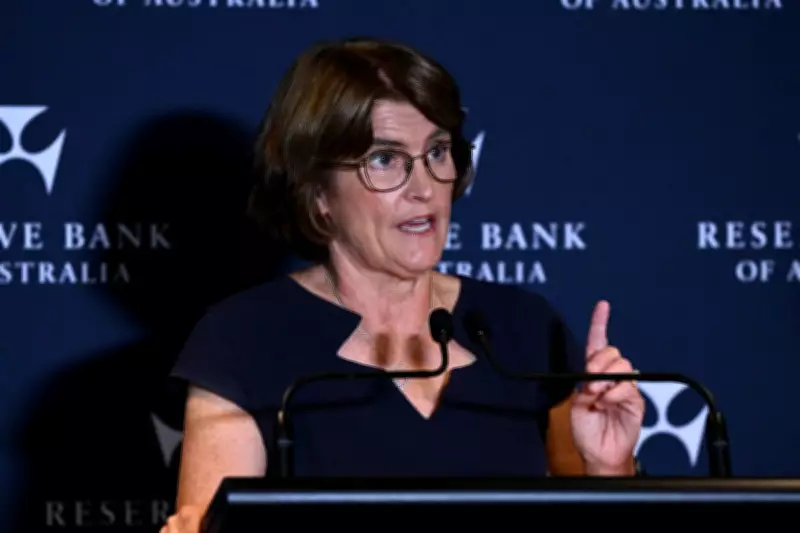
In a post-decision press conference, RBA Governor Michele Bullock explicitly stated that higher petrol prices were "not the reason for today's decision" to increase interest rates. This clarification came amidst widespread speculation that recent spikes in fuel costs, driven by Middle East conflicts and potential price-gouging by petrol companies, had influenced the central bank's actions. Bullock's remarks aimed to redirect focus towards broader inflationary pressures.
Inflation and Demand-Supply Imbalances
The RBA has consistently highlighted that inflation remains too high, attributing part of the issue to demand outstripping the economy's supply capacity. As outlined in the February statement, the bank noted that the ability to supply goods and services has not kept pace with consumer and business demand. With supply constraints difficult to address quickly—due to factors like slow investment decisions and low unemployment—the RBA relies on interest rates as its primary tool to curb demand and restore balance.

Split Board Reflects Economic Uncertainties
The narrow vote reflects significant divisions over the timing and necessity of the rate hike. Deputy Governor Andrew Hauser recently emphasised in a podcast that while inflation is a problem, the path of interest rates is "less certain" given the global backdrop. This uncertainty, compounded by geopolitical tensions and volatile oil prices, has led some board members to advocate for a more cautious approach, preferring to wait for clearer economic signals.
Impact on Households and Businesses
For consumers, the rate hike adds to existing financial pressures, including subdued spending and plummeting confidence in recent months. Bullock acknowledged that the decision "is going to be tough for some people," especially as inflation has outpaced wages significantly since mid-2021. On the business front, there are concerns that higher rates could dampen investment, which is crucial for boosting the economy's productive capacity beyond the current 2% growth limit cited by the RBA.
Future Outlook and Policy Considerations
Looking ahead, the RBA faces challenges in navigating inflation control without stifling economic growth. Factors such as household savings buffers and additional mortgage repayments may mitigate some impacts, but consumer sentiment remains fragile. The upcoming federal budget in May could play a key role, with government spending restraint potentially aiding the RBA's efforts. Economists like Nicki Hutley argue for greater restraint, suggesting that policymakers should weigh geopolitical risks more heavily and avoid premature rate hikes that could exacerbate economic strain.
Conclusion: A Call for Caution
As the RBA urges Australians to show restraint, critics question whether the bank itself is heeding this advice. With global uncertainties persisting and domestic pressures mounting, the split decision highlights the delicate balance required in monetary policy. Future meetings will likely focus on monitoring consumer resilience and external factors, as the central bank strives to steer the economy through turbulent times without overburdening households and businesses.






