

RBA's Controversial Rate Hike Amid Global Energy Shock Sparks Internal Division
The Reserve Bank of Australia has made one of its most contentious decisions in recent years, opting to hike interest rates in the midst of a historic global energy shock. This move, which may not age well if the Middle East conflict persists, has exposed significant internal disagreement within the rate-setting board.
Split Vote Highlights Timing Dispute
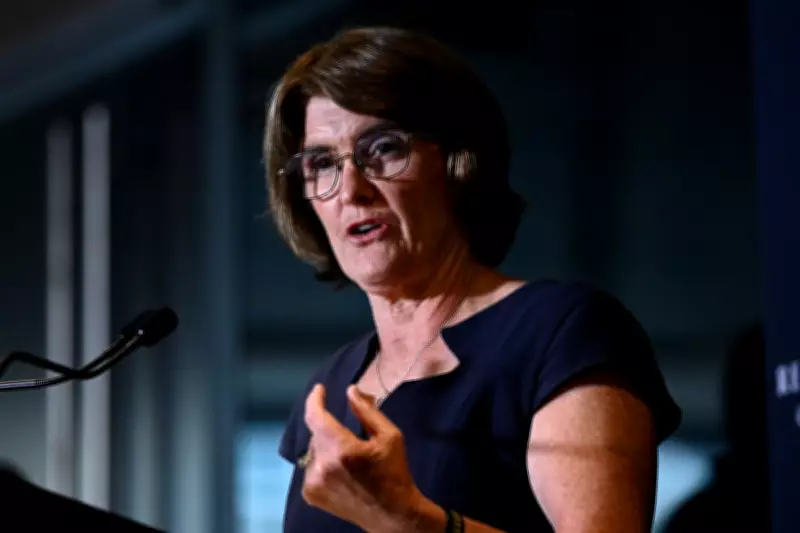
The fact that the board's vote was split—five in favour of a hike and four in favour of holding—suggests the decision was as controversial inside the boardroom as it is likely to be on the streets. Governor Michele Bullock, however, played down any internal division, stating, "Reasonable people can differ." She explained that the dissenting members preferred to wait for more information on how the US-Israel war on Iran might develop, with the issue being timing rather than direction.
Inflation Risks Take Precedence
Bullock argued that the primary risk from higher petrol prices is accelerating inflationary pressures, making it harder to control price rises. With inflation already elevated at 3.8%, well above the central bank's 2.5% target, she emphasised, "High inflation hurts absolutely everyone, and so that is why we need to focus on that." Despite this focus, there appears to be an extraordinary level of complacency regarding potential fallout from the Middle East conflict, with limited modelling done on prolonged war impacts.

Stagflationary Challenges and Future Outlook
Responding to energy shocks with interest rate policy is notoriously difficult due to stagflationary effects—simultaneously hurting growth and adding to inflation. Westpac economists estimate that a three-month closure of the Strait of Hormuz could slash 0.5% off Australia's economic growth while increasing inflation by 1.3 percentage points. For now, the board remains focused on inflationary risks, with economists predicting a third straight rate hike in May, but Bullock is prepared to adapt if circumstances change.
She noted, "There could be some really bad outcomes for the world economy if the current conflict gets worse. So those are the sorts of things we're going to have to consider." The governor assured that the board will monitor developments closely and is ready to change tack if necessary, highlighting the delicate balance between combating inflation and navigating global uncertainties.






