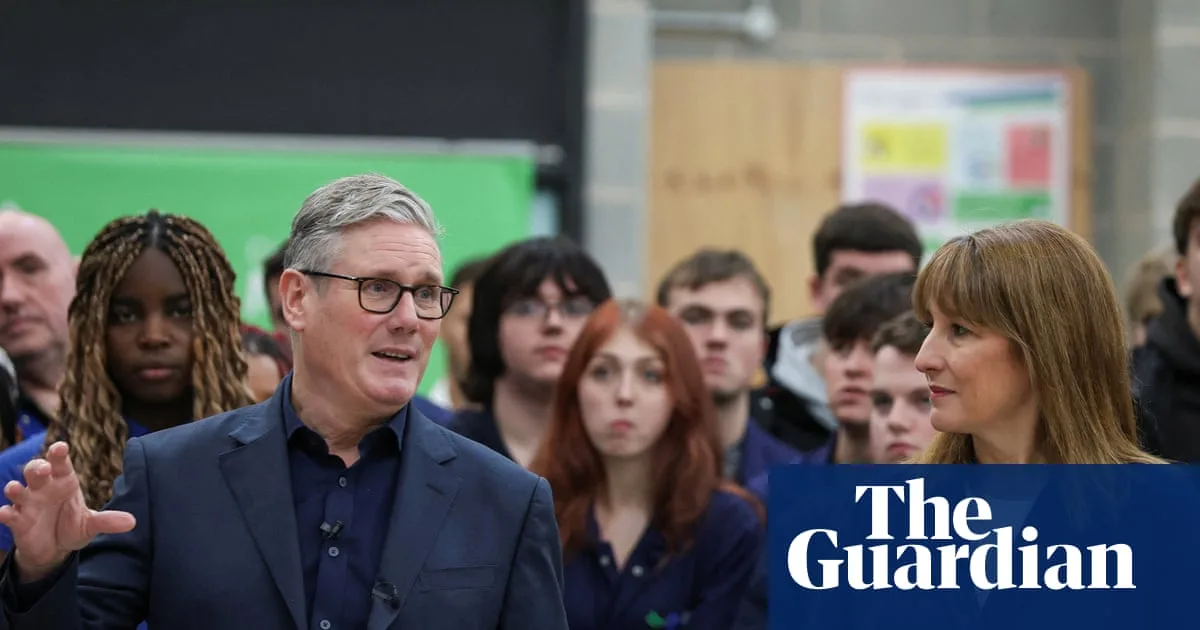
Keir Starmer has acknowledged that Labour's economic plan will take years to deliver in full, as he seeks to regain control of the narrative following a turbulent response to last week's budget. In an article for the Guardian, the prime minister defended Chancellor Rachel Reeves's decision to impose £26bn worth of tax rises, insisting the measures were necessary for long-term renewal.
Starmer's intervention comes after days of criticism from the Conservatives, who have called for Reeves's resignation over claims she misled voters about the impact of lower growth forecasts from the Office for Budget Responsibility (OBR). The prime minister will give a speech on Monday rebutting these accusations and outlining a multiyear plan focused on deregulation, welfare reform, and closer European ties.
In his article, Starmer wrote: 'By delivering a big, bold long-term plan, not a set of quick fixes, we will renew Britain. We must become again a serious people, with a serious government, capable together of doing difficult things to regain control of our future.' He added that Labour would be judged at the next election on its progress.
Starmer also promised further deregulation, asking Business Secretary Peter Kyle to examine ways to ease construction of large infrastructure projects, and another attempt to overhaul the welfare system. He noted that the welfare bill rose by £88bn under the Conservatives, arguing that reform is needed to prevent people from being 'trapped in a cycle of worklessness and dependency'.
The budget has been well-received by markets, with UK borrowing costs falling to their lowest levels this year, and Labour MPs have welcomed the end of the two-child benefit cap. However, Reeves faces accusations of misleading voters over the OBR forecasts, as the expected downgrade was offset by higher wage growth and tax receipts, leaving a small surplus. One cabinet minister told the Times that the cabinet was not informed of the true OBR forecasts before the budget.