

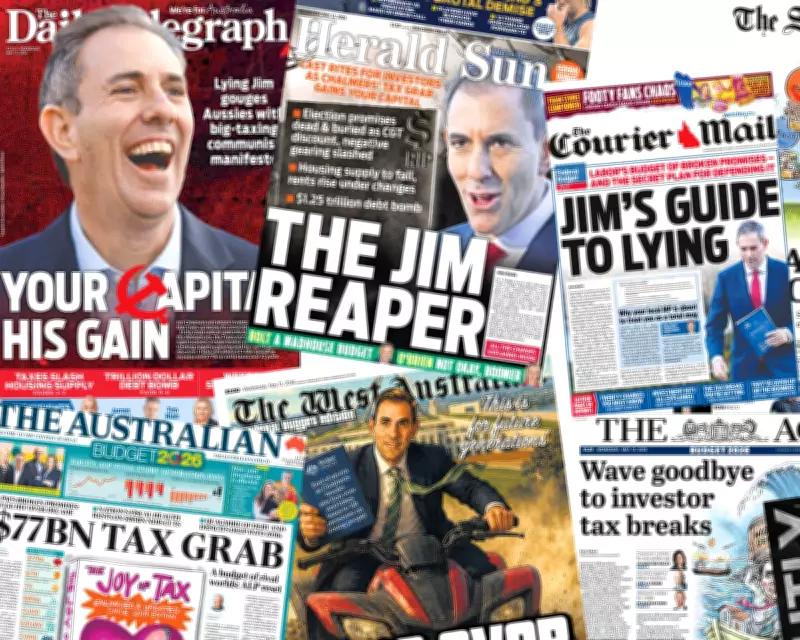
The latest Guardian Essential report reveals substantial work remains in convincing Australians of the merits of significant housing and tax reform. The annual budget tabling may seem a dusty ritual, but understanding its impact requires recognizing that the world is changing irrevocably.
New Asymmetric Political Contest
We are in a new asymmetric political contest where a dominant party imposes its agenda on a fragmented polity. A wounded opposition staves off a rising populist wave while a growing band of independents looks to formalize their own coalition. To the extent the government has taken a post-budget hit, it has mainly been from propagating incendiary memes that prioritize virality over veracity.
Strategic Contests for Labor
Step back from the noise, and the tune becomes clearer: Labor is exercising the power of its historic mandate by expending political capital to unwind pro-wealth settings from the Howard era. To succeed, it must win three strategic contests: get past the promise it has broken, demonstrate real impact on young people's material wellbeing, and tap into a broader collective economic consciousness.

This week's Guardian Essential Report does not predict how these battles will conclude but illuminates the lines of engagement. On the issue of changing one's position, many seem to accept broken election commitments if there is compelling justification.
Housing Market Stratification
The second key battle is over substantive changes addressing how the housing market has built an unconscionable stratification of investors, first home buyers, and renters. The challenge for the government is that when asked about complex tax changes, many people simply do not know whether they are good or bad. Labor will take heart that its fairness argument lands best with young people, but substantial work remains to bring changes to life for this audience.
The best thing going for Labor is the high dudgeon of the likes of News Corp, also the largest shareholder of Australia's premier real estate platform. Its constant attacks reinforce the message that Labor is doing something meaningful.
Broader Economic Recalibration
The broader challenge is to show how incremental unwinding of tax concessions has real impact on problems afflicting young buyers and renters. Availability of rentals and delivery of affordable and social housing will be just as important. In contrast, the Coalition deploys housing as a weapon, zeroing in on immigrants as the cause of housing ills, addressing the only crisis that concerns it: the flood of voters to the right.
But battles over truth and housing are mere skirmishes compared to the contest over how society balances workers' and capital interests. John Howard spent 13 years turning the tradie into an avatar for the Australian dream, justifying workforce atomization that attacked organized labour in favour of personal tax rebates and concessions. That model thrived through the millennium but has not aged well as wages' share of national income has fallen and the gap between working people and the propertied class has grown.
A final table in this week's report suggests Australians are up for recalibration from the status quo where investments and shares are taxed lower than wages. Two-thirds of respondents support a change, which is why Labor remains relaxed despite a concerted onslaught from parts of the media and political chancers.
This budget was always going to define Labor's term and this generation of representatives, many of whom lived through the failure of the Rudd-Gillard era and subsequent decade in the wilderness. Notwithstanding incremental changes and grandfathered concessions, this is a story Labor can tell its progressive base that aligns with its mission. Told well, it has the potential to connect with those moving to the political fringes because they do not believe the system works for them anymore.
But in challenging the logic of the Howard government's shareholder society, the budget also gives the Liberal party its best chance to re-anchor itself on something it believes in. After spending two cycles in a defensive crouch, the Coalition now has the chance to test whether its vision of the individual thriving free of an interventionist state still has legs.

So how has the budget landed? Like everything in politics, that depends on the questions we ask. Will there be political pain? Yes. Does housing remain a burning platform? Clearly. Will the politics of the next two years be fought on ground the government is comfortable occupying? Absolutely.





