

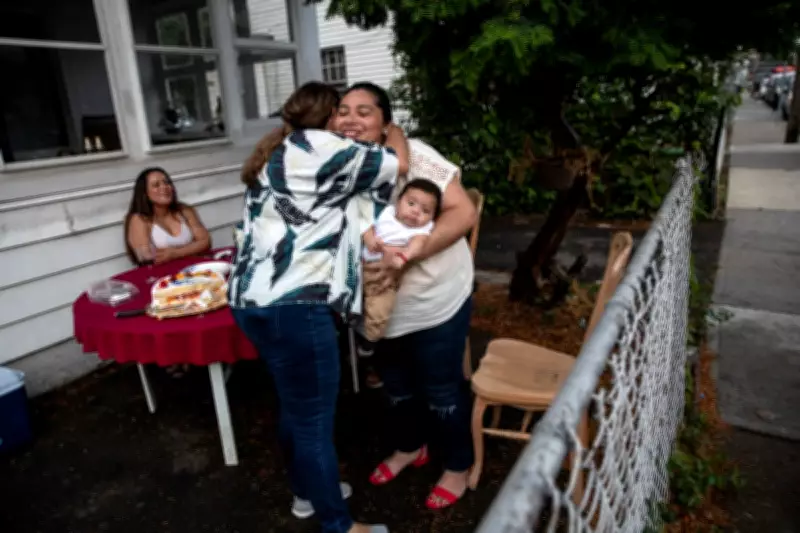
Over the past five years, a growing number of American families have embraced multigenerational living as a strategy to reduce individual housing costs amid ongoing financial pressures. New data from Realtor.com reveals that the number of multigenerational households in the United States has risen by 700,000 over the past decade, reaching 4 million in total. Typically defined as homes where parents, children, and grandparents reside together, these arrangements now account for 4.5 percent of the housing market in 2024, up from 4.3 percent in 2019. In the nation’s 50 largest cities, the share is even higher, averaging 6.1 percent.
A Quiet Shift in Family Living
“Multigenerational living is a meaningful force in the housing market,” said Hannah Jones, Senior Economic Research Analyst at Realtor.com. “A sense of shared purpose and care is at the heart of multigenerational living, a housing arrangement that is quietly shaping American family life.” The trend reflects a broader response to economic challenges, as many households seek to pool resources and support one another.
Geographic Variations
California cities lead the nation in multigenerational home listings, likely due to the state’s cultural diversity and high cost of living. Los Angeles tops the list with 23.7 percent of listings featuring multigenerational keywords, followed by San Diego (22.7 percent), San Jose (18 percent), San Francisco (17.4 percent), and Riverside (14.9 percent). The study identifies multigenerational homes based on property listing descriptions rather than occupant ages.

While the West Coast dominates in listing share, the Midwest sees the highest price premiums for these homes. In Detroit, buyers pay an average of 120 percent more for a multigenerational property, while Cleveland and Buffalo see premiums of 107 percent and 94 percent, respectively. These markups highlight the demand for larger homes that can accommodate extended families.
Financial Drivers
The rise in multigenerational living is closely tied to financial strain. For many Americans, including those over 65, living alone in a rental has become a luxury they can no longer afford. By sharing housing, families can reduce individual expenses for rent, utilities, and caregiving. This arrangement also fosters intergenerational support, with grandparents often helping with childcare and adult children assisting with elder care.
As housing costs continue to climb, experts expect multigenerational living to become an increasingly common choice. The trend not only offers financial relief but also strengthens family bonds, creating a sense of shared purpose that is reshaping the American household.






