

Chancellor Rachel Reeves to Pledge UK to 'Fastest AI Adoption in the G7'
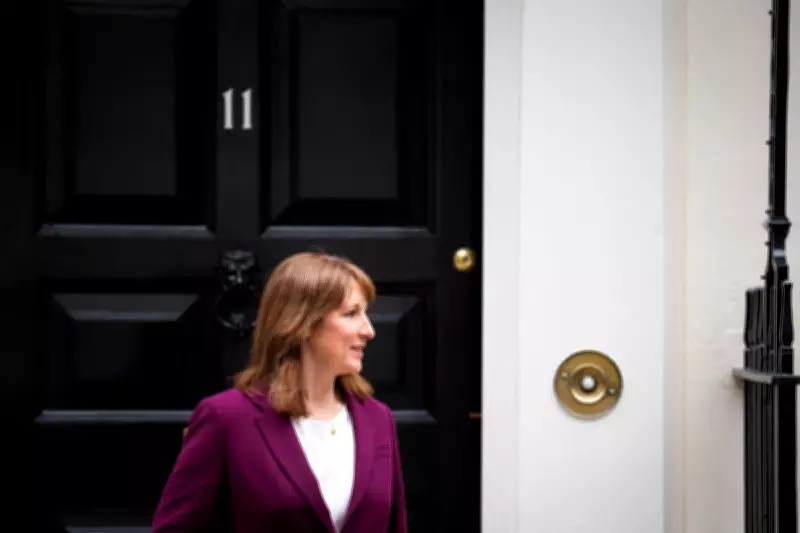
In a significant policy address scheduled for Tuesday, Chancellor Rachel Reeves is set to commit the United Kingdom to achieving "the fastest AI adoption in the G7". The announcement will be made during her delivery of the annual Mais lecture at the City of London, where she is expected to argue that Britain "cannot stand still" in a world increasingly defined by rapid technological transformation.
Substantial Investment Backs Ambitious AI Strategy
The Chancellor's vision will be supported by a substantial financial commitment from the Treasury. A £500 million "sovereign AI fund" is slated for launch in April, accompanied by a further £1 billion programme dedicated to procuring advanced quantum computing systems. This combined £1.5 billion investment underscores the government's strategic priority to position the UK at the forefront of the artificial intelligence revolution.
Minister Addresses Widespread Job Loss Concerns
Ahead of the high-profile lecture, Treasury minister Dan Tomlinson actively sought to allay public and political anxieties that accelerated AI integration could trigger widespread unemployment. He pointed to official economic forecasts which project a net increase in the total number of jobs within the economy over the coming five-year period.

"You don't see job losses overall," Mr Tomlinson stated during an interview with Sky News. He drew parallels with historical economic shifts, such as the Industrial Revolution, noting that while the "types of jobs" within the economy may change, the overall employment landscape adapts and grows. He cautioned against attempts to "run away" from technological progress, warning that such resistance would simply allow the benefits of AI to "flow to other countries".
Defining the Nation's 'Big Choices' on Economic Future
Ms Reeves's lecture is poised to frame the acceleration of AI adoption as one of three critical "big choices" facing the nation. The other two pillars are expected to be the pursuit of closer economic ties with the European Union and a commitment to ensuring "growth in every part of Britain".
This policy direction comes against a backdrop of ongoing economic challenges. Recent official figures revealed that the UK economy failed to grow in January, a stagnation that occurred even before the recent spike in global oil prices triggered by the conflict in Iran.
Political Opposition and Brexit Accusations Emerge
The Chancellor's policy agenda has already drawn sharp criticism from the Conservative opposition. Shadow chancellor Sir Mel Stride accused Ms Reeves of economic mismanagement and suggested that her push for closer EU ties signals a Labour desire to effectively reverse the Brexit decision.
"Under increasing pressure having mismanaged the economy, Reeves would rather point the finger at Brexit than accept their poor choices have been a disaster for our economy," Sir Mel stated. The government has firmly denied any intention to undo Brexit.
Broader Context of AI and Economic Growth
Prime Minister Sir Keir Starmer has previously championed artificial intelligence as a primary driver of future economic growth, framing it as central to Britain's long-term prosperity. However, the rapid adoption of AI technologies has sparked legitimate concerns, particularly regarding potential displacement of workers in graduate roles, junior positions, and other white-collar sectors.
Minister Tomlinson addressed these sector-specific fears by suggesting a dynamic labour market adjustment. He posited that if AI enables a company to operate with six or seven employees instead of ten, the displaced individuals would find "new opportunities" elsewhere in an expanding economy, thereby maintaining overall employment levels.






