

Middle East Conflict Triggers Global Economic Alarm as Oil Prices Soar
Petrol prices are climbing sharply worldwide as the conflict in the Middle East drives a surge in oil and gas costs. This escalation threatens to derail a fragile global economic recovery that was anticipated to strengthen this year.
Central Bankers Issue Stark Warnings on Inflation and Growth
Despite former US President Donald Trump's pledge to safeguard tankers navigating the critical Strait of Hormuz, central bankers and economists have cautioned that prolonged hostilities could elevate retail prices globally and force a reassessment of growth projections. Kristalina Georgieva, Managing Director of the International Monetary Fund, highlighted that a persistent 10% increase in energy prices could boost global inflation by 40 basis points and reduce economic growth by 0.1-0.2%.
Lord Jim O'Neill, former chief economist at Goldman Sachs Asset Management, noted the precarious state of the world economy, stating, "It's not like this war has started with the world in a settled place." He expressed concerns over geopolitical shifts, suggesting Gulf states might view the US as an unreliable partner, potentially aligning more closely with China, India, and Brazil.

Oil Supply Disruptions and Economic Impacts
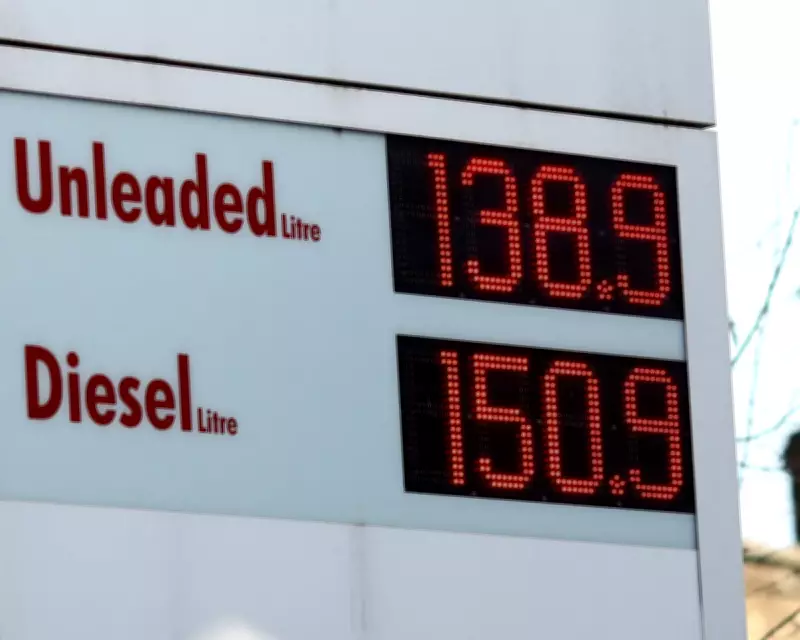
Approximately 20% of global oil supply transits through the Strait of Hormuz. Analysis indicates that a 1% reduction in supply could increase oil prices by around 4%, with a prolonged closure potentially raising prices by 80% to about $108 per barrel. In the UK, diesel prices have risen by 5p to 147p per litre since the conflict began, while petrol has increased by 3p to 136p on average, according to the RAC.
Oxford Economics forecasts that UK and eurozone inflation could be 0.5 to 0.6 percentage points higher than previously expected by year-end. The National Institute of Economic and Social Research warns that sustained conflict could reduce economic growth in the UK and euro area by 0.2% this year, impacting investment and government finances.
Interest Rate Dilemmas and Consumer Strain
Central banks face a conundrum in responding to energy-driven inflation. Bank of England ratesetter Alan Taylor argued against raising interest rates for imported shocks, fearing higher borrowing costs could exacerbate economic difficulties. Conversely, many central bankers believe delaying rate hikes during past crises was a mistake.
In the US, consumers are already feeling the pinch, with petrol prices rising by 15 cents per gallon on average since last Saturday. Political repercussions loom, as cost-of-living concerns influenced recent elections and polls show widespread economic dissatisfaction.
Geopolitical Risks and Long-Term Consequences
Iran's retaliatory strikes on infrastructure in Kuwait, Dubai, Saudi Arabia, and Azerbaijan could destabilise regional alliances and global markets. If desalination plants are targeted, social unrest may follow. European Central Bank officials, including Vice-President Luis de Guindos, warned that a protracted conflict could increase eurozone inflation and dampen growth.
As the situation evolves, financial markets and policymakers are closely monitoring developments, with potential shifts in interest rates and economic strategies on the horizon.






