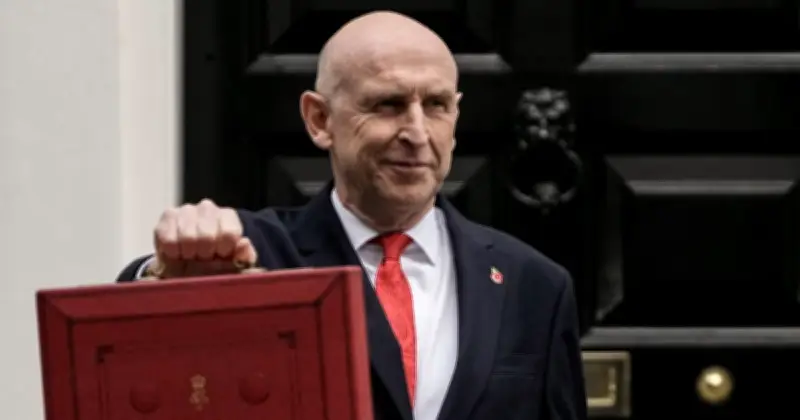
Martin Lewis has shared his reaction to Chancellor John Healey's Budget, focusing on what he calls the "biggest single tax rise" in years. In a video posted on X, the money saving expert said his take on the Budget includes "none of the politics, just what it means practically" for consumers.
Fiscal drag to continue
Lewis highlighted one element of finances that will not be changing. He said: "Let's start with what wasn't in the Budget. It's the biggest single tax rise we've had for years and it's carrying on. It's called fiscal drag. It's the fact that all the tax thresholds, the income tax thresholds, are frozen. So as your earnings go up due to inflation and average earnings, more of your earnings will pay tax. That's what fiscal drag is, that's the biggest revenue raiser, that's not going to change. It looks like it's staying for another few years."
This is Money reports that income tax thresholds will remain frozen until 2031. In today's Budget, the Chancellor pledged to give "breathing space" for low-income families. Reports add that it could be the middle-classes and workers who will have to "foot the bill".
Impact on taxpayers
The freeze on thresholds was introduced by Rishi Sunak in 2021, then extended by Rachel Reeves in 2025. As wage growth and inflation rise in the years to 2031, frozen thresholds will drag more lower earners into paying tax while the number of taxpayers pushed into higher bands increases. The Treasury will as a result raise more revenue. According to reports, estimates suggest it could bring in £55 billion a year by 2030.
Prime Minister Andy Burnham is aware of the fiscal drag issue. Over the summer, he said it had come up frequently on the doorsteps during his by-election campaign. Despite this, the Chancellor has chosen to keep the freeze while keeping other tax changes to a minimum.
Reaction from industry
Jenny Holt, director at Standard Life, said: "The decision to leave the Personal Allowance unchanged is not a major surprise, given the pressure on the public finances, but it will still be disappointing for households already feeling the effect of frozen tax thresholds." She added: "For workers, this means pay increases may not translate fully into higher take-home income, making it harder to balance day-to-day costs with longer-term saving."