

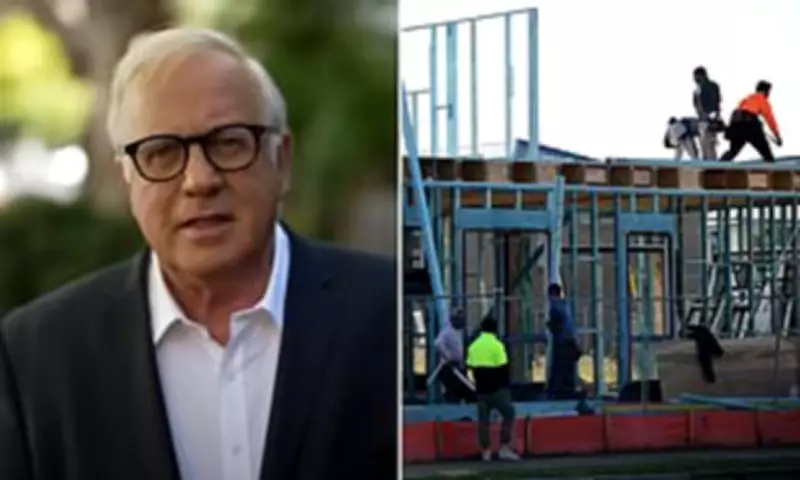
Veteran ABC economic analyst Alan Kohler has criticised the Albanese government for failing to implement the most obvious fix to Australia's housing crisis. He stated that Labor needs to dramatically increase housing supply, though he admitted, 'That's about as likely as my last bright idea of nationalising childcare.'
Kohler Calls for More Public Housing
The finance expert urged the government to reconsider boosting public housing, noting that when housing was affordable, public housing played a significant role. He recalled that Whitlam attempted to revive it after Menzies cut it, but state resistance led to federal withdrawal from public housing.
Government's Current Plans
Alongside proposed changes to negative gearing and the capital gains tax discount for investment properties, the government will commit $2 billion over four years for local infrastructure such as roads, sewerage, and electricity to unlock new housing developments. The funding could support up to 65,000 new homes over a decade, though not through direct construction.

However, Kohler argued it is time for the government to do more than provide cash and targets to state governments and local councils under the National Housing Accord, which aims to build 1.2 million new homes by 2029.
Housing Starts Data
Kohler pointed out that housing commencements in the December quarter were 26.1 per cent above the previous year, at 53,567. But he noted this only brings quarterly starts back to pre-accord levels. To meet the five-year target, the quarterly run-rate must rise almost 50 per cent, and the Iran war has made it harder by increasing building material and diesel prices.
Additional challenges include a shortage of tradespeople, low productivity, and ongoing zoning and NIMBYism issues. The cost of building homes has increased by 4 per cent on average due to the closure of the Strait of Hormuz, according to Commonwealth Bank economists, who estimate 15,000 fewer dwellings will be built by mid-2029.
Intergenerational Equity Concerns
AMP economist Shane Oliver said this week's Federal Budget carries higher stakes than almost any in recent years, with intergenerational equity emerging as a defining challenge. He argued that proposed measures to curtail the capital gains tax discount, negative gearing, and the minimum tax rate for trusts will not improve intergenerational equity, as older generations have already benefited from these concessions.
Oliver emphasised that boosting productivity growth and balancing housing supply with reduced immigration are key to improving intergenerational equity. He noted that Canada cut migration by 90 per cent from its 2023 peak, leading to an 18 per cent fall in house prices.
Kohler warned that many factors contributed to Canada's price drop, including interest rate hikes and labour shortages. In Australia, net overseas migration is already falling, but Treasury's forecasts of 260,000 for this year and 225,000 next year appear out of reach, as the September quarter annual rate was 348,000.






