Inside Iran's Economic Despair: 'Food Is Available - We Just Cannot Afford It'
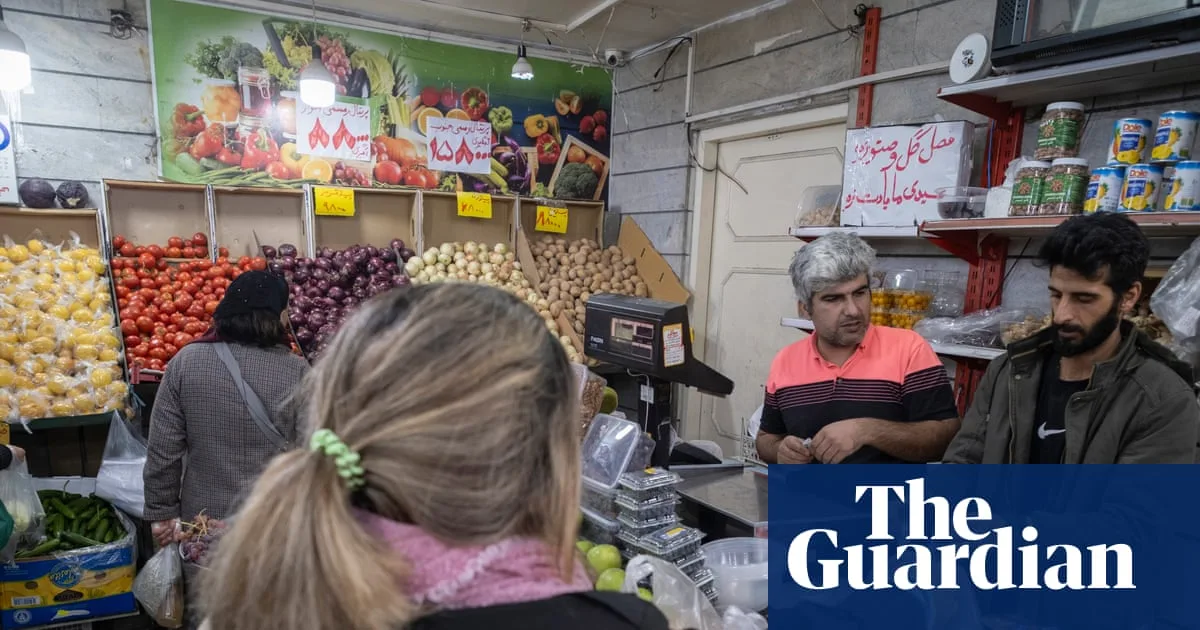
As the sixth day of US and Israeli military operations against the Islamic Republic unfolds, accounts emerging from within Iran reveal a complex and distressing picture of daily life amidst ongoing conflict. Residents report that in major urban centers, particularly Tehran, life continues with a fragile blend of fear and hope, punctuated by the constant sound of powerful explosions. Superficially, many shops remain operational, bakery lines fluctuate between crowded and quiet depending on the hour, petrol stations avoid major congestion, and food markets show no immediate signs of severe shortages.
Unprecedented Price Surges Push Families to the Brink
However, beneath this surface normalcy, a devastating wave of price increases has pushed countless Iranian families to the brink of hunger, casting a heavy shadow over everyday existence. Numerous citizens now find themselves unable to afford even basic necessities or to set aside emergency food supplies. Their purchasing patterns increasingly reflect an old Persian adage about living day to day, hoping for circumstances to improve.
A resident from an older Tehran neighborhood describes the current atmosphere: "The city is quieter, but not due to mass departures. On our street, all neighbors remain. During certain hours, people emerge, gather, and converse. Supermarkets remain open and accept phone orders. Almost all food items persist in the market—perhaps because people simply lack the financial means to purchase them."
Hourly Price Fluctuations and Changing Shopping Habits
This resident reports unprecedented price surges, with many items experiencing extraordinary increases within the past week alone. For instance, a pack of bottled water sold for 1.2 million tomans (approximately £3), with the shopkeeper warning that the next shipment would command even higher prices.
Another Tehran resident observes that prices for basic food items now resemble volatile foreign currency or gold rates, changing by the hour. Before the conflict, a single egg cost around 13,000 tomans (4 pence); it has now reached 15,000 tomans (5 pence). Some traditional sweets like zoolbia and bamieh have skyrocketed, with a kilogram costing no less than 500,000 tomans (£1.60).
Shopping patterns have transformed dramatically. A long-time customer at a Janbo supermarket chain branch notes: "I remember days when people filled their carts, requiring lengthy queues to pay. Now, shopping trolleys lie practically unused, as most individuals select only one or two items before proceeding directly to the cashier." Even discounted meat and chicken packages nearing expiration dates find few buyers, highlighting that availability is not the primary issue—purchasing power is.
Official Claims Versus Ground Reality
Officials of the Islamic Republic consistently assert no concerns regarding essential goods supply. Iran's Customs Administration announced that over 50,000 tonnes of essential commodities have been cleared from ports and customs facilities, with the process continuing. A deputy agriculture minister stated that between 1,000 and 1,200 tonnes of Iranian rice, including Tarom Hashemi and Fajr varieties, have been distributed through chain stores over the past week.
Yet ground observations and personal accounts present a starkly different and troubling narrative. The core problem is not goods shortage but the collapse of purchasing power. Families simply cannot afford many necessary items. Consequently, the apparent absence of food shortages in markets may reflect not abundance but public inability to buy available products.
Psychological Pressure and Forced Resilience
A journalist within Iran describes the current situation: "The constant, powerful explosions are terrifying, carrying an almost apocalyptic feel. Many of us, myself included, are frightened by these sounds and fear for our loved ones. Almost everyone shares this sentiment."
Alongside this fear exist other apocalyptic scenes: a motorcycle courier compelled to ride across the city during explosions and fire because without work he faces hunger, or a patient unable to afford medicine. When city areas are hit, individuals struggle to check on friends or relatives due to downed phone lines and internet.
The journalist adds that psychological pressure has intensified under these circumstances: "Even now, some authorities deploy paid supporters into the streets. Under the guise of mourning ceremonies, they create disturbances day and night, amplifying emotional and psychological strain on the populace."
What slightly alleviates the anger, anxiety, and fear many Iranians experience is hope for significant change. Meanwhile, residents adapt to the rhythm of explosions, venturing out during quieter intervals to shop or visit, while essential workers—motorcycle couriers, ride-hailing drivers, supermarket employees, mechanics—continue laboring out of necessity, lacking savings or stockpiles to rely upon.
In supermarkets, poignant scenes unfold: an elderly woman sells her government food voucher at a 20% discount to purchase medicine, and an older man uses his voucher solely for a packet of chicken feet. As one resident poignantly observes: "When you walk into a supermarket and see the prices, you think that even without the war, poverty alone could bring these people to their knees."