Iran Conflict Survival Guide: 10 Essential Items Brits Should Stockpile Now
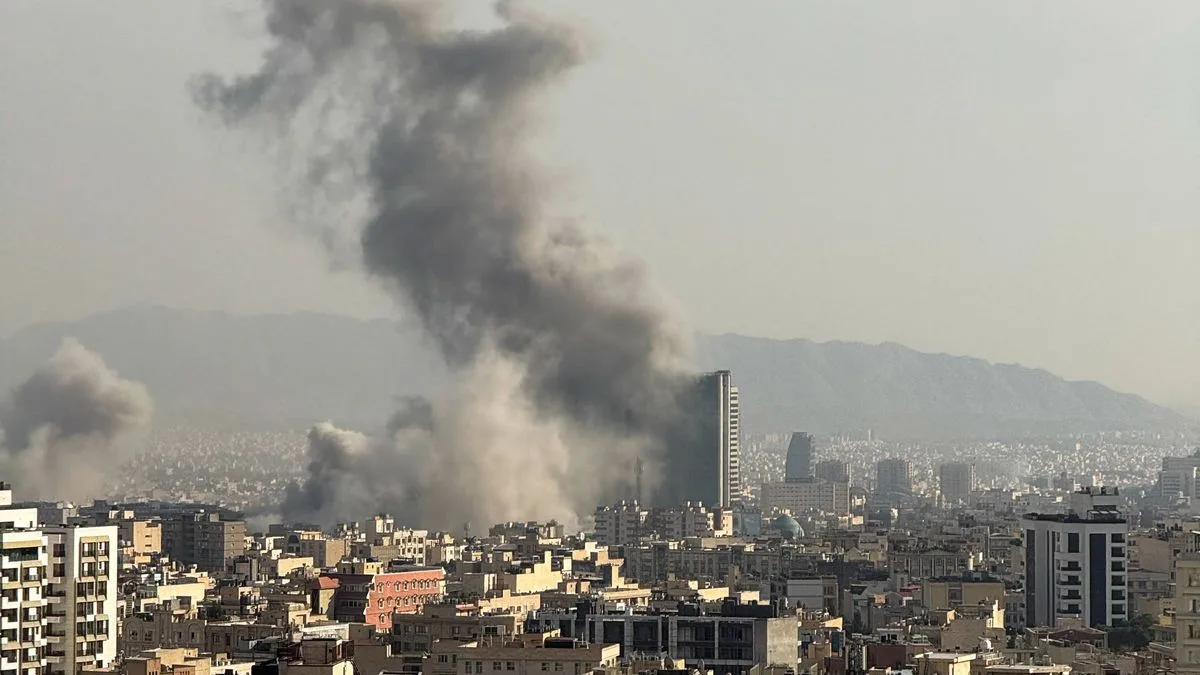
The escalating military conflict in Iran, initiated by a devastating US assault under Donald Trump, may be geographically distant from British shores, but its economic repercussions are poised to directly impact households across the United Kingdom. The strategic disruption in the Strait of Hormuz—a vital maritime corridor responsible for over a quarter of global seaborne oil trade—threatens to trigger widespread supply chain issues and significant price inflation on numerous consumer goods.
Immediate Economic Threats to British Consumers
Analysts from the US Energy Information Administration (EIA) confirm that the Strait of Hormuz facilitated up to one-fifth of global oil and petroleum product consumption in recent years. The current blockade and ongoing hostilities are already causing shipping delays and surging freight costs, effects that will inevitably cascade far beyond energy markets. For British citizens reliant on stable import channels and affordable commodities, proactive preparation is now considered prudent.
The Essential Survival Checklist: 10 Items to Acquire
1. Petrol and Diesel: Fuel prices are notoriously volatile, and prolonged Middle Eastern disruption will exacerbate this instability. Motorists are advised to fill their tanks preemptively to avoid sudden, conflict-driven price spikes at the pump.
2. LPG and Propane Cylinders: These gases, commonly used for barbecues, patio heaters, caravanning, and rural heating, are directly tied to energy market fluctuations. Securing supplies now could lead to substantial savings as shipping costs escalate.
3. Home Heating Oil and Kerosene: Households not connected to the main gas grid depend on these fuels, whose prices are intrinsically linked to crude oil dynamics. Topping up storage tanks before further market surges is highly recommended for off-gas residents.
4. Flight and Holiday Bookings: With jet fuel costs predicted to rise sharply, the expense of package holidays and air travel is set to increase. Prospective travellers should consider booking Easter getaways and summer trips earlier than usual to lock in current rates.
5. Engine Oil and Automotive Fluids: Crude oil forms the base for essential car maintenance products like lubricants and transmission fluids. Scheduling vehicle servicing and MOT tests ahead of time could prevent higher costs later in the year.
6. Paint, Varnish, and DIY Solvents: Many household solvents, adhesives, and sealants are petroleum derivatives. Budget-conscious homeowners planning renovation projects should complete decorating work sooner to avoid inflated material expenses.
7. Household Plastic Products: Everyday items like bin bags, cling film, and freezer bags are manufactured using ethylene, an oil-based compound. Stockpiling these plastic essentials now could mitigate future price hikes.
8. Disposable Nappies and Incontinence Pads: The absorbent materials in hygiene products often derive from petrochemical feedstocks. Purchasing extra packs of nappies, period pads, and adult incontinence supplies represents a sensible economic precaution.
9. Paraffin-Wax Household Products: Candles and other paraffin-based items are obtained directly from petroleum. Those who maintain emergency candle supplies or use them regularly should consider buying in bulk while prices remain stable.
10. Cooking Oils and Cupboard Staples: Even non-petroleum goods like olive oil and vegetable oil face potential cost increases due to freight delays and rising insurance premiums. Ensuring a well-stocked pantry of basic cooking essentials provides a buffer against supply chain pressures.
Strategic Preparation Amid Global Uncertainty
The interconnected nature of modern global trade means that regional conflicts can swiftly translate into domestic economic strain. While the situation in Iran remains fluid, British consumers have a narrow window to take practical steps that could alleviate financial pressure and ensure household resilience in the coming months. Monitoring official updates and adjusting procurement strategies accordingly will be crucial as the international community navigates this period of heightened geopolitical tension.