

The escalating conflict between the United States, Israel, and Iran has triggered a dramatic surge in global oil prices, pushing Brent crude above $90 per barrel and threatening to reignite inflationary pressures worldwide. This represents the most significant weekly gain since the peak of the Covid-19 pandemic six years ago, marking a severe disruption to energy markets.
Storage Crisis and Production Cuts
Reports that Kuwait has begun curtailing oil production at certain fields, having exhausted available storage capacity, were a primary driver behind Friday's peak price of $91.89 per barrel. This is the highest level observed since April 2024, a stark increase from approximately $72.50 just prior to the outbreak of hostilities last weekend. The international benchmark has now skyrocketed by more than 25% since the initial attacks, its most substantial weekly jump since early April 2020.
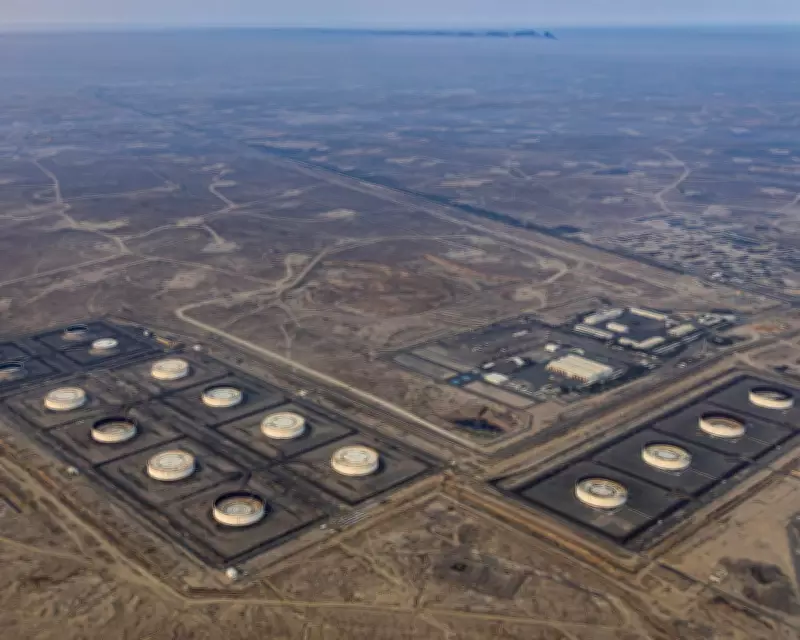
Analysts now fear a broader storage crisis across the Middle East that could compel the world's largest oil producers to halt extraction entirely. According to data from consultancy firm Kpler, holding facilities in major producers like Saudi Arabia and the United Arab Emirates could reach maximum capacity within a mere 20 days, potentially forcing further shutdowns. Such a move is considered a last resort, as the costly and time-consuming process of restarting production can take weeks, thereby exerting additional strain on volatile markets.

Dire Warnings from the Gulf
These concerns have been amplified by stark predictions from Qatar's energy minister, Saad al-Kaabi. He warned the Financial Times that if the war continues unabated, all Gulf energy exporters could be forced to shut down production within weeks, potentially driving oil prices as high as $150 a barrel.
Al-Kaabi further stated that even an immediate cessation of hostilities would not provide swift relief. Following damage to a key terminal from an Iranian drone strike, he estimated it would take "weeks to months" for Qatar to resume its liquified natural gas (LNG) exports. This is particularly significant as Qatar accounts for roughly 20% of global LNG exports.
Global Market Repercussions
The energy shockwaves are being felt across global financial markets. In the UK, while direct reliance on Qatari gas is minimal at about 2% of total supply, prices on the UK gas market surged to three-year highs this week. This reflects fears that Europe may need to pay a premium to compete with Asian buyers for alternative gas cargoes if deliveries are disrupted.
The crisis has also fuelled inflation fears, dealing a blow to UK government bond prices. Yields on five- and ten-year gilts are on course for their largest one-week jump since the market turmoil following Liz Truss's "mini-budget" in September 2022. Consequently, hopes for an interest rate cut by the Bank of England this month have dramatically waned, with money markets now seeing just a 15% chance, down from 80% the previous week.
Eurozone government bond prices similarly fell, putting yields on track for their biggest weekly rise since March of last year. Money markets are now almost fully pricing in a rate rise from the European Central Bank by year's end.
Security Threats and Shipping Disruptions
Adding to the market's anxiety are direct security threats to vital shipping lanes. Iran's Islamic Revolutionary Guard Corps has threatened to "set ablaze" any Western tanker attempting to pass through the Strait of Hormuz, a chokepoint for approximately one-fifth of the world's oil and LNG. According to Lloyd's List, at least nine vessels have been attacked in the Gulf since the initial strikes on February 28th.
The market has remained sceptical of measures proposed to calm nerves, such as the Trump administration's offer of insurance and military escorts for tankers. Aaron Hill, chief market analyst at FP Markets, noted this unconvincing response. Lloyd's List estimates at least 600 vessels, including 15 LNG carriers and 195 oil tankers, are currently in the Gulf region.

Stock Markets and Sectoral Impact
Stock markets, particularly in Asia-Pacific countries heavily reliant on energy imports from the Gulf, endured their worst week since the pandemic's onset six years ago. In the UK, the FTSE 100 index fell by more than 5%, its poorest performance since April 2025 when former President Trump announced sweeping global tariffs. The pan-European Stoxx 600 index also declined by over 5% for the week.
The airline sector was hit especially hard. IAG, the parent company of British Airways, saw its shares fall by more than 12%. Low-cost carrier Wizz Air lost about a fifth of its value after issuing a profits warning, predicting the Middle East crisis could erase €50 million from its profits.
Meanwhile, the US dollar strengthened in the wake of the Iranian attacks, while the price of gold fell by approximately 3.5% during the week to below $5,100 an ounce, as investors sought refuge in traditional safe-haven currencies amid the turmoil.





