Iran Conflict Sparks UK Cost of Living Fears as Energy Markets Face Turmoil
Iran Conflict Fuels UK Cost of Living Crisis Fears

Iran Conflict Threatens New UK Cost of Living Crisis

The escalating conflict in the Middle East has triggered significant concerns about a renewed cost of living crisis in the United Kingdom. With Iran authorising retaliatory attacks across the region and impacting crucial shipping routes, energy markets are experiencing substantial turmoil that threatens to increase household bills and borrowing costs.

Energy Markets in State of Turmoil

Oil prices have surged dramatically this week, potentially recording their largest weekly increase in six years. Brent crude oil surpassed 88 US dollars per barrel on Friday, reaching its highest price point since April 2024. If these gains persist through market close, it would represent the most significant weekly rise since the Covid-19 pandemic period.

Greg Jackson, chief executive of Octopus Energy, described energy markets as being "in a state of turmoil" following Iran's warning to ships avoiding the Strait of Hormuz and Qatar's announcement of halted gas production after attacks on its facilities.

Wide Pickt banner — collaborative shopping lists app for Telegram, phone mockup with grocery list

The disruption to shipping routes through the vital Strait of Hormuz has created what the Joint Maritime Information Centre called a "near-total temporary pause" in traffic. This has sent wholesale prices soaring as companies react to security threats, insurance constraints, and operational uncertainty.

Impact on Household Energy Bills

While the latest energy price cap means typical bills will actually decrease in April, experts predict they could rise by approximately 10 per cent from July, primarily due to higher gas prices. Several major energy suppliers have completely withdrawn fixed-price tariff deals, with Octopus Energy increasing tariffs and introducing exit fees in response to soaring gas and oil prices.

Analysis from the Energy & Climate Intelligence Unit suggests sustained oil trading at 100 dollars per barrel could increase petrol prices from 135p to 150p per litre. For drivers covering 8,000 miles annually, this would add nearly £140 to yearly fuel costs. At 120 dollars per barrel, petrol could reach around 170p per litre, increasing annual fuel expenses by more than £320.

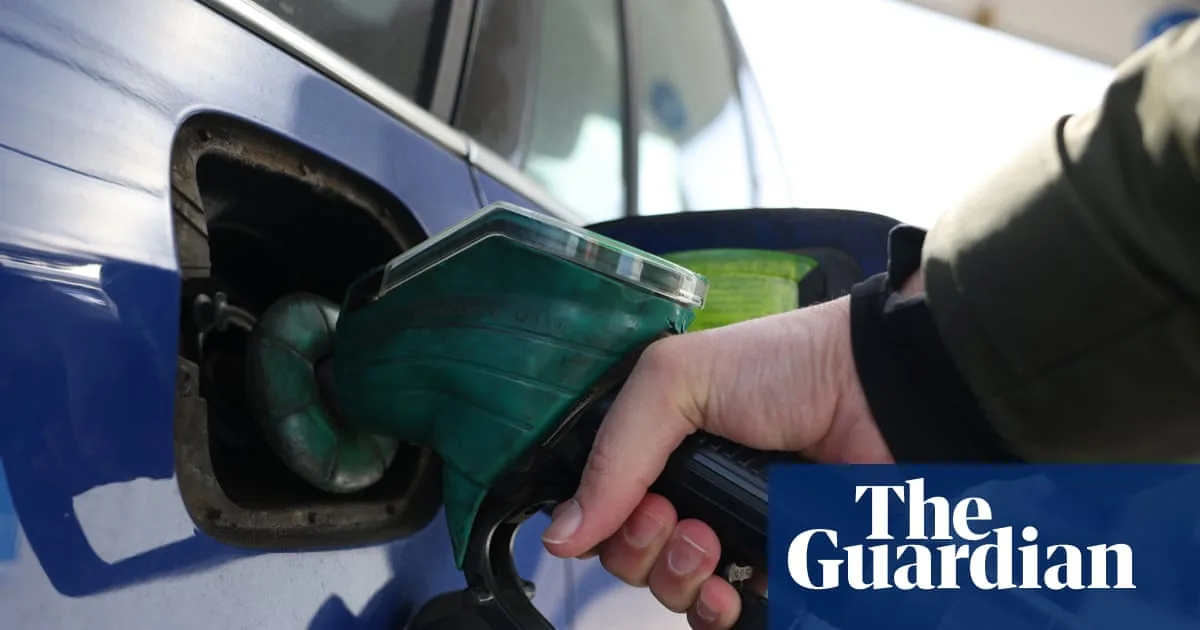
Campaign group FairFuelUK has reported that petrol stations across the UK have increased pump prices by an average of 6.7p for petrol and 8.8p for diesel in the last 48 hours, with diesel prices reaching a 16-month high since the conflict began.

Mortgage Rates Begin to Rise

The energy price surge is already affecting mortgage markets, with several UK lenders increasing interest rates in response to the conflict. Nationwide Building Society and HSBC UK have indicated they will raise some mortgage rates from Friday, affecting first-time buyers, home movers, and those switching or remortgaging. Coventry Building Society is also set to increase its mortgage rates on Monday.

Adam French, head of consumer finance at Moneyfacts, noted: "It serves as a stark reminder that mortgage costs are not driven solely by domestic policy decisions. Global geopolitical events move markets, markets move swap rates, and swap rates ultimately shape the deals available to borrowers."

Broader Economic Implications

The conflict's impact extends beyond energy and housing to food prices and broader economic policy. Balwinder Dhoot, Director of Growth and Sustainability at The Food and Drink Federation, expressed concern that the spike in gas prices would further strain food manufacturers already facing years of rising business costs with food inflation running higher than historical averages.

The Bank of England held interest rates at 3.75 per cent last month, with governor Andrew Bailey suggesting further reductions were likely later this year. However, the Iran conflict has made this less predictable, with the National Institute of Economic and Social Research forecasting the Bank could be forced to increase interest rates above 4 per cent. The next interest rate decision will be announced on 19 March.

Rachel Winter, partner at Killik & Co, observed: "Consumers won't feel the full price difference at the pump quite yet as many companies buy oil in advance, but this could change if the conflict persists. The market seems hopeful for a quick resolution, or for some form of government intervention."

Pickt after-article banner — collaborative shopping lists app with family illustration

Despite the recent increases, oil prices remain below the 120 dollars per barrel reached following Russia's invasion of Ukraine in 2022, currently sitting below 90 dollars despite the recent surge.