Iceland's referendum on restarting EU accession negotiations ended in a narrow victory for the no campaign, which secured about 52.8% of the vote, according to broadcaster RUV. The result, declared on Sunday morning, came after an overnight count that highlighted the deep divide among the country's roughly 400,000 voters.
Campaign tactics and national identity
Critics accused the no campaign of fearmongering, with some comparing its tactics to those used by Brexit activists in the UK's 2016 referendum. The campaign's depiction of fishing and farming as threatened by EU membership struck a chord, as these industries are closely tied to Icelandic national identity. The results showed a significant split between voters in the capital region and the rest of the rural country, where some feel national identity is at risk of being forgotten.
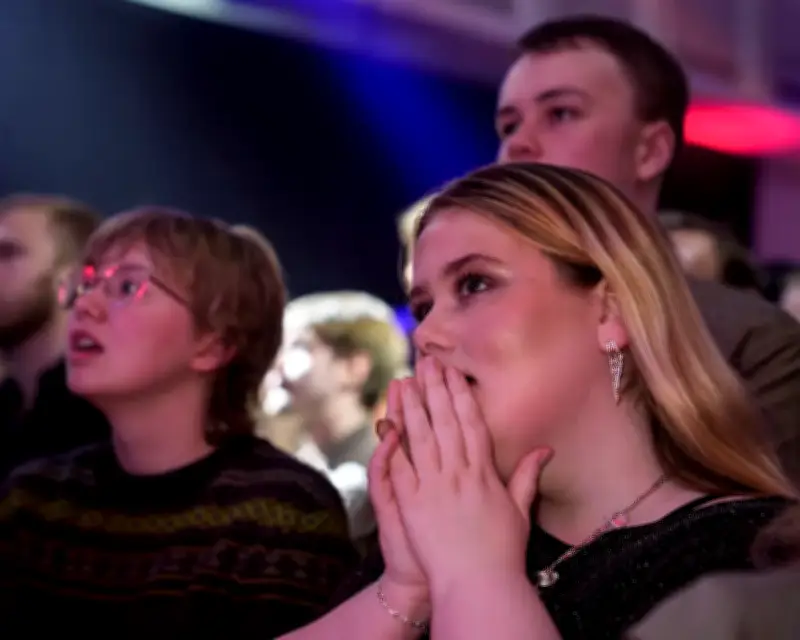
The no campaign was also better funded, a point acknowledged by supporters of the yes side. At a yes campaign gathering at Reykjavík Art Museum, 25-year-old Þòrir Snoor said: "The no side has done a lot of fearmongering and done it very very well." He noted that many of his peers were scared of the European Union, despite seeing the euro as a potential solution to high inflation and interest rates.

Ballot wording and reactions
The question on the ballot paper may also have influenced the outcome. Voters were asked: "Should Iceland resume accession negotiations with the European Union?" with a second referendum to be held once a deal was reached. This meant a yes vote was effectively a "yes, maybe", while a no vote was a clearer, more decisive choice. One yes campaign slogan, "Já til að sjá" ("yes to see"), was seen as vague compared with the no campaign's bullish claims.
Snædis Inga Rúnarsdóttir, 30, wearing a blue EU cap, agreed the no campaign had been louder and better funded. She said she would have to make peace with a potential no win but criticised the misinformation swirling around the referendum. Iceland's foreign minister, Þorgerður Katrín Gunnarsdóttir, had earlier expressed fears of a "Brexit moment" amid warnings about misinformation, foreign interference and AI. Just before midnight, she told the Guardian that whatever the result, "at least Icelandic people have shown it was the right thing to have a vote", adding: "And what I like the most is now foreign policy is, everything is, on the agenda."