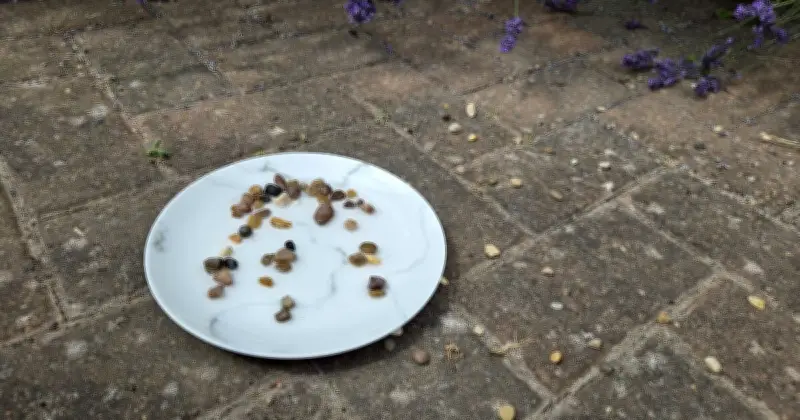
A simple bee bath made from a plate and a few wet pebbles can be a lifeline for thirsty pollinators during the current hot, sunny spell. Garden experts are asking anyone with outdoor space to leave out a shallow source of drinking water for birds and insects alike.
Why August matters for wildlife
Garden and wildlife expert James Ewens at Green Feathers said supporting wildlife is crucial in August, when food sources dwindle, hot weather takes its toll and young birds leave the nest.
He said: “An English garden in August, what a dream! We spend the year waiting for our gardens to burst into life, and we’ve got to make the most of it before that nippy chill creeps up on us. A beautiful garden is all good and well. Creating a healthy environment for wildlife that supports everything living in it needs to be a focus, too, though. Looking after our feathered friends and pollinators is a priority for August, watering responsibly to support birds through the end of breeding season and creating a bee bath will keep our wildlife happy and healthy. Give your lawn a summer health check after weeks of stifling heatwaves and dry weather, and deadhead flowers to keep them blooming as long as possible. A loved garden loved you back tenfold.”
How to create a bee bath
Making a bee bath does not require any special equipment. A plate, some pebbles and fresh water are all that is needed.
Green Feathers explains: “A pollinator pitstop - yes, it’s as cute as it sounds! But it’s actually as beneficial as it is cute, too. It’s a great way to support bees, butterflies, and other pollinators even if you’re short of space.
“It’s a little service station for pollinators where they can have a break, refuel and rehydrate. It can be as simple as a shallow bowl of fresh water with stones for insects to land on, surrounded by nectar-rich plants like lavender or echinacea.
“Even a tiny little pitstop can make a big impact for pollinators; a few pollinator-friendly plants on a balcony or patio next to a shallow water source can be a valuable stepping stone for wildlife. Keep the water clean and replenished, and shallow for pollinators. Use pebbles or stones to give a perching place for insects to top up without the risk of drowning.”