Oil prices tumbled on Tuesday after US Treasury Secretary Scott Bessent indicated a deal to reopen the key Strait of Hormuz could be reached as soon as this week. Brent crude, the international benchmark, slid more than 5.4% to $79.21 per barrel following his comments.
Progress in talks, but no finality yet
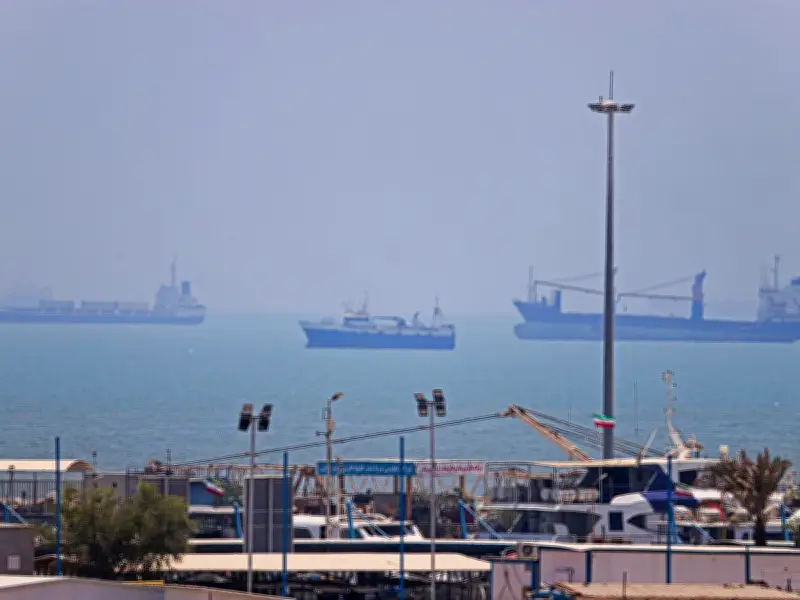
Bessent said there was "a chance" the US could reach an agreement with Iran to reopen the waterway, which Iran has blockaded, "today or tomorrow". State Secretary Marco Rubio noted that "progress made in those talks, but not finality yet", adding that the US was "hoping that will happen very shortly".
Former President Donald Trump said on Monday that talks with Tehran were ongoing and the country had a "last chance" to reach a deal. However, Iranian officials insisted no negotiations with the US were taking place.
Impact on oil and other goods
When asked whether Iran would be allowed to charge a toll for passage, Bessent told CNBC's Squawk Box: "It would be freedom of movement." He added that oil prices should drop further once hundreds of ships stuck in the Persian Gulf are able to exit. "It's not just energy. It's fertilizer, it's refined products, it is the various industrial gasses," he said. "We could see a big relief trade as those prices go down."
Petrol prices typically drop when oil prices fall, but the change is delayed and usually happens slower than when prices increase.